
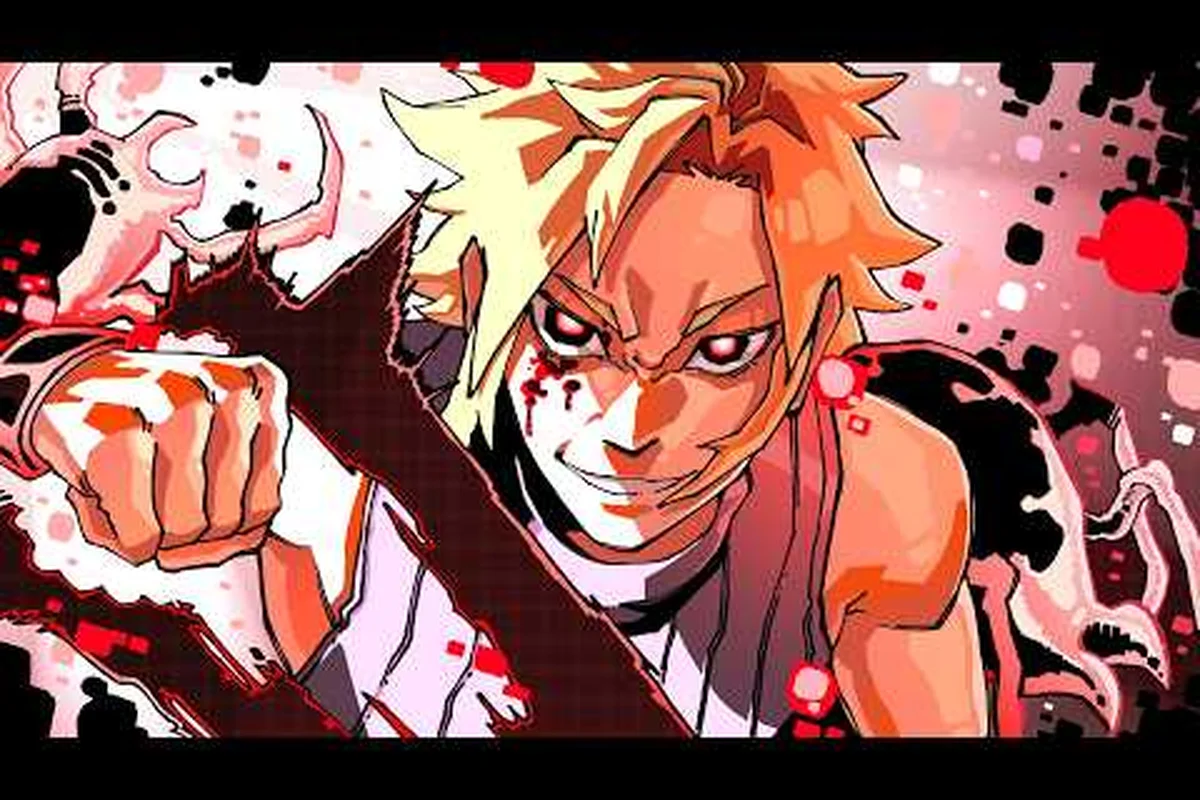
The complete Legends Battlegrounds update history tells the story of how a small stickman fighter grew into one of Roblox's most competitive PvP battlegrounds. Knowing which patches changed the meta helps you understand why certain movesets feel the way they do today.
Why the Legends Battlegrounds Update History Matters
Tracking every Legends Battlegrounds update is more than trivia. Each patch reshuffles which characters dominate duels, and a single balance change can turn a forgotten moveset into a top-tier pick overnight. Players who follow the changelog adapt faster than those who only grind matches.
The game launched on November 5, 2023, created by developer Zalekoth (zale) under the Arts of Vermillion group. Since then the team has pushed a steady stream of content drops, balance passes, and emergency fixes. According to community data collected on the official Roblox game page, the experience has accumulated millions of visits and a large verified following.
Here is what a typical update cycle looks like, based on how the studio has operated since launch: a content update usually lands first to introduce a new stickman, moveset, or awakening ability, and within the same week Zalekoth (zale) follows it with a balance patch that trims damage, cooldowns, or combo routes on whatever the new kit outclassed. When a character's win rate stays dominant after two or three of those passes, the team escalates to a full rework rather than another number tweak, and hotfixes are reserved for exploits or unintended combo routes that surface in the first 24 hours after any drop.
-
Content updates introduce new stickman characters, movesets, and awakening abilities.
-
Balance patches adjust damage, cooldowns, and combo routes across the roster.
-
Reworks rebuild an existing character's kit from the ground up.
-
Hotfixes ship within hours to patch exploits, bugs, or unintended combos.
Reading that rhythm means recognizing the sequence itself as a signal: when a new stickman like a fresh awakening ability drops and its win rate climbs past roughly 60% in the first week, you can expect a balance patch trimming its damage or cooldowns within days, not weeks. If two or three of those passes still leave the kit dominant, a full rework follows instead of another number tweak. Hotfixes, by contrast, skip the normal cadence entirely and appear within 24 hours when an unintended combo route or exploit surfaces. So when you open a changelog, scan for which of these four update types it is first — that single detail tells you whether the meta is shifting permanently or just being nudged, and how urgently you need to relearn your main's matchups.
How Updates Are Announced
The studio rarely posts a formal patch-notes page. Instead, announcements surface through the developer's social channels and the community Discord. The zale YouTube channel has been used to discuss upcoming update timing, while the community wiki keeps a running log of character releases and balance changes.
That decentralized approach means players often learn about a Legends Battlegrounds hotfix from a Discord ping rather than an official blog. Community-maintained records, like the Legends Battlegrounds Fandom wiki update log, fill the gap by archiving what the developers ship.
The Major Eras of Legends Battlegrounds All Updates
Not every patch deserves equal attention, and treating the changelog as one flat list hides the bigger story. Reading the legends battlegrounds update history era by era shows how each phase solved a different problem: the launch era nailed down the M1 chain, dash, block, and awakening meter, while the expansion era traded balance risk for roster depth by shipping characters with four base moves, a variant or finisher, and two to three awakening abilities. The legends battlegrounds rework era then rebuilt older kits so launch picks could compete again, and the refinement era shifted to hotfixes that cleaned up exploits rather than adding moves. Lined up side by side, the direction is obvious: build the skeleton, widen the roster, rebuild what aged out, then stabilize.
| Era | Rough Timing | Focus | Meta Impact |
|---|---|---|---|
| Launch era | Late 2023 | Core combat, first roster | Established M1, dash, block, awakening |
| Expansion era | 2024 | New characters, more movesets | Roster depth, matchup variety |
| Rework era | 2024–2025 | Kit rebuilds, balance passes | Old picks became viable again |
| Refinement era | 2025–2026 | Hotfixes, fine-tuning | Stability, exploit cleanup |
The launch era locked in the combat fundamentals that still define the game: light-attack chains, a dash with recovery-cancel options, blocking, and the awakening system that charges an ultimate meter. Everything since has been built on that skeleton.
The expansion era widened the roster, and that widening came with a deliberate trade: each new stickman shipped with a fixed kit template — four base moves, one variant or finisher slot, and two to three awakening abilities — so the dev team could scale character count without redesigning combat from scratch. The cost showed up in matchup spread. A launch-era pick built around a tight M1 chain suddenly had to respect a newcomer's longer-range variant, and the awakening meter economy shifted because two-to-three-ability kits charged ultimates at different rates than the original single-ultimate roster. That is why the era's meta impact reads as "roster depth, matchup variety" in the era table above rather than "balance" — the expansion era optimized for how many distinct matchups existed, not how even they were, which is exactly the imbalance the legends battlegrounds rework era was later built to correct.
What Counts as a Rework
A Legends Battlegrounds rework is not a simple number tweak. When the team reworks a character, they typically rebuild the moveset's core identity — new animations, new combo routes, and often a reworked awakening. That is why reworked characters frequently jump several tiers in community rankings.
Players who track these shifts closely tend to do better in ranked-style duels, because they know which tools were quietly strengthened. If you are still learning the fundamentals, the beginner guide covers the combat basics that every rework assumes you already know.
Reading a Legends Battlegrounds Changelog Like a Veteran
A changelog entry can look like a wall of numbers, but experienced players read it in layers. The goal is to figure out what actually changed in practice, not just what the patch notes claim. Take a typical Legends Battlegrounds update: a line reading "adjusted skill cooldown by 0.5s" reads as trivial on paper, yet on a character whose entire gameplan loops through that skill, half a second can flip a matchup from favorable to unplayable. The same logic applies to a Legends Battlegrounds hotfix buried at the bottom of a patch — a same-day correction to a damage value often reveals that an exploit was live and being abused before anyone documented it, which matters far more to the meta than the headline rework listed at the top.
Here is a practical method for parsing any Legends Battlegrounds changelog: read it in three passes rather than once. On the first pass, highlight every numeric change — a 0.5s cooldown shift on a core skill like a combo starter matters more than a flashy awakening rework, because cooldown and damage values govern whether a character's bread-and-butter string still connects. On the second pass, cross-reference the entry against the previous Legends Battlegrounds update history to spot reverted changes — a buff that quietly reappears two patches later usually means the original nerf broke a matchup. On the third pass, timestamp the hotfix notes: a fix filed within 24 hours of the main patch almost always points to a live exploit, not a balance tweak.
-
Scan for damage and cooldown changes first. These shift combo viability more than anything else.
-
Check awakening adjustments. A buffed ultimate can single-handedly move a character up the tier list.
-
Look for hitbox and range notes. Small reach changes decide who wins neutral.
-
Flag any removed moves. Deleted options often signal a full rework is coming.
-
Note hotfix timing. A same-day fix usually means an exploit was live and abused.
Damage, Cooldowns, and Combo Routes
Damage numbers matter less than combo routes. A character with slightly lower damage but a true combo that connects reliably will outperform a harder-hitting pick that drops its string. When a patch shortens a cooldown on a combo starter, that is a stealth buff worth noting.
Cooldown reductions on dash or block tools are equally important, because defensive options decide how safely you can approach. A shorter dash cooldown changes the entire pace of neutral — a 2-second reduction on a mobility skill can turn a losing matchup into a favorable one overnight. Consider a hotfix that trims 1.5 seconds off a dodge tool: suddenly you can dash in, bait a punish, and dash out before the opponent's recovery frames end, converting what was a trade into a clean whiff punish. Block cooldowns matter for the same reason in reverse — if a patch lengthens the delay before you can re-raise a shield, aggressive pressure strings that were previously unsafe become viable. When reading any legends battlegrounds changelog, track cooldown deltas on defensive tools alongside damage buffs, because a defensive cooldown nerf often signals a shift toward a more aggressive meta before the community fully adapts.
Awakening and Ultimate Tuning
Awakening abilities are the swing factor in most duels. A patch that trims awakening charge time or boosts ultimate damage can flip a matchup instantly. Community reports frequently flag these changes as the most impactful part of any Legends Battlegrounds update.
When the developers touch an awakened state, expect the character's pick rate to move within days. The awakening rework breakdown digs into how ultimate cancels and awakened timing interact, which is exactly the kind of detail a changelog rarely spells out.
How Reworks and Hotfixes Reshape the Meta
The two most disruptive update types are reworks and hotfixes, and they behave very differently. Reworks are planned and telegraphed: they ship on a scheduled patch cadence, carry full changelog notes, and are previewed before release, which is why they land as "very high" player notice in the update-type table. Hotfixes are reactive and often arrive without warning, triggered by an exploit, crash, or unintended combo rather than a design decision. In legends battlegrounds update history, this split explains why reworks dominate the changelog's headline entries while hotfixes appear as terse, same-day corrections.
| Update Type | Planning | Player Notice | Typical Trigger |
|---|---|---|---|
| Content drop | Scheduled | High | New character or mode |
| Balance patch | Scheduled | Medium | Roster imbalance |
| Rework | Scheduled | Very high | Outdated or broken kit |
| Hotfix | Reactive | Low to medium | Exploit, bug, crash |
A hotfix is the studio's emergency lever. When an unintended combo or a duplication exploit goes live, the team patches it fast, sometimes the same day. These fixes rarely get detailed notes, so the community often reconstructs what changed by testing in private servers.
Reworks, by contrast, are deliberate. They signal that the developers consider a character's design outdated, and they sit at the top of the update-type table for a reason: very high player notice, scheduled planning, and an "outdated or broken kit" trigger. A reworked kit usually keeps the character's theme but modernizes its tools to fit the current pace of combat — swapping a clunky wind-up animation for a faster cancel window, or converting a passive that scaled off raw damage into one that rewards ability rotations. In legends battlegrounds update history, this is why reworks read as redesigns rather than tweaks: the changelog entry typically touches multiple abilities at once, not a single number, and the goal is to pull a legacy pick back into the viable roster instead of nudging a stat up or down.
Why Some Characters Get Reworked
Characters get reworked for two main reasons: they are either too weak to see play, or their kit creates unhealthy gameplay. A character with an unavoidable combo or a buggy hitbox is a candidate for a rebuild rather than a simple nerf.
Community sentiment also plays a role. When a large share of the player base asks for changes to a specific stickman, the developers tend to respond. That feedback loop is why following the Legends Battlegrounds update history helps you predict what is coming next.
Comparing Update Frequency Across the Game's Life
Update frequency has shifted over time, and the cadence maps to distinct phases of the game's life. The early months were content-heavy, with new Legends and map variants arriving close together, while later periods leaned toward refinement, as balance patches and hotfixes took priority over roster expansion. This table summarizes the general trend rather than exact counts, since the studio does not publish a formal schedule. Note that "hotfixes" in the recent-months row reflects emergency tuning for exploits and unintended interactions, not scheduled maintenance, which is why that column reads "as needed" rather than a fixed interval.
| Period | Content Drops | Balance Patches | Hotfixes |
|---|---|---|---|
| First year | Frequent | Moderate | Occasional |
| Second year | Moderate | Frequent | Regular |
| Recent months | Steady | Frequent | As needed |
The shift toward more balance work is normal for a fighting game. Once the roster is large enough, tuning existing characters delivers more value than adding new ones. Players who want the newest additions should watch for major content drops, while competitive players should track the balance passes.
The biggest update recap covers the largest content pushes in more detail, including the combat and movement overhauls that reshaped how duels flow. Reading it alongside the table above shows why the two timelines diverge: a single major drop can bundle a new Legend, a map variant, and a movement rework into one patch, so a "Moderate" content year may still contain more total change than a "Frequent" one. The changelog entries for those overhauls are also where you'll find the knock-on balance patches that followed weeks later.
What the Trend Tells You
A maturing update cadence means fewer surprises and more predictable metas. If you are investing time in learning a character, prioritize picks that have received recent attention rather than ones untouched for a long stretch. Characters the developers keep tuning are usually the ones they intend to keep relevant.
Practical Tips for Tracking Legends Battlegrounds Update News
A disciplined tracking routine beats scattered browsing: pick two fixed checkpoints per week — one on patch day for the full legends battlegrounds changelog, one mid-cycle for legends battlegrounds hotfix notes — then skim the legends battlegrounds all updates archive only when a legends battlegrounds rework touches a unit you actually field. That cadence matters because balance hotfixes often ship days after a headline patch, so players who only read launch notes miss the follow-up tuning that reshapes the meta.
-
Follow the developer's social accounts for first-hand announcements.
-
Join the community Discord to catch hotfix chatter in real time.
-
Check the community wiki log for archived changes you may have missed.
-
Test changes yourself in a private server before trusting patch-note claims.
-
Watch creator breakdowns for practical explanations of what a patch really did.
Building a Personal Patch Log
Serious players keep their own notes. Jot down the date, the character affected, and how the change felt in practice. Over a few months, your log becomes a personal Legends Battlegrounds changelog that reflects your own matchups rather than a generic list.
This habit pays off when a rework lands. You will already know how the character played before, so you can judge whether the new kit is genuinely stronger or just different. For players who want to understand how often the studio ships changes, the update frequency explainer breaks down the developer's release habits.
Frequently Asked Questions
When did Legends Battlegrounds first release?
The game launched on November 5, 2023, according to the official Roblox game page. It was created by developer Zalekoth under the Arts of Vermillion group and has received continuous updates since launch, growing from a small roster into a full competitive battlegrounds experience.
What is the difference between a rework and a balance patch?
A balance patch adjusts numbers like damage, cooldowns, or range while keeping a character's kit intact. A rework rebuilds the moveset itself, often adding new animations, combo routes, and awakening abilities. Reworks are far more disruptive to the meta than routine balance changes.
How often does the game receive hotfixes?
Hotfixes are reactive rather than scheduled, so timing varies. They typically ship within hours or a day when an exploit, unintended combo, or crash appears. Because they are rarely documented in detail, the community often reconstructs what changed by testing in private servers.
Where can I find the full Legends Battlegrounds update history?
There is no single official changelog page. The most complete records come from the community wiki update log and developer social channels. Combining those sources with your own match notes gives the most accurate picture of how the meta has evolved over time.
Do reworked characters become stronger?
Not always, but they frequently do. Reworks usually modernize an outdated kit to fit the current pace of combat, which often pushes the character up community tier lists. Whether a specific rework is a net buff depends on how the new tools perform in real matchups.
The Legends Battlegrounds update history is really a record of constant iteration. From the launch-era combat fundamentals to the reworks and hotfixes that keep the roster balanced, every patch has nudged the meta in a new direction. Tracking those changes — through developer channels, the community wiki, and your own notes — is the surest way to stay competitive as the game keeps evolving.