
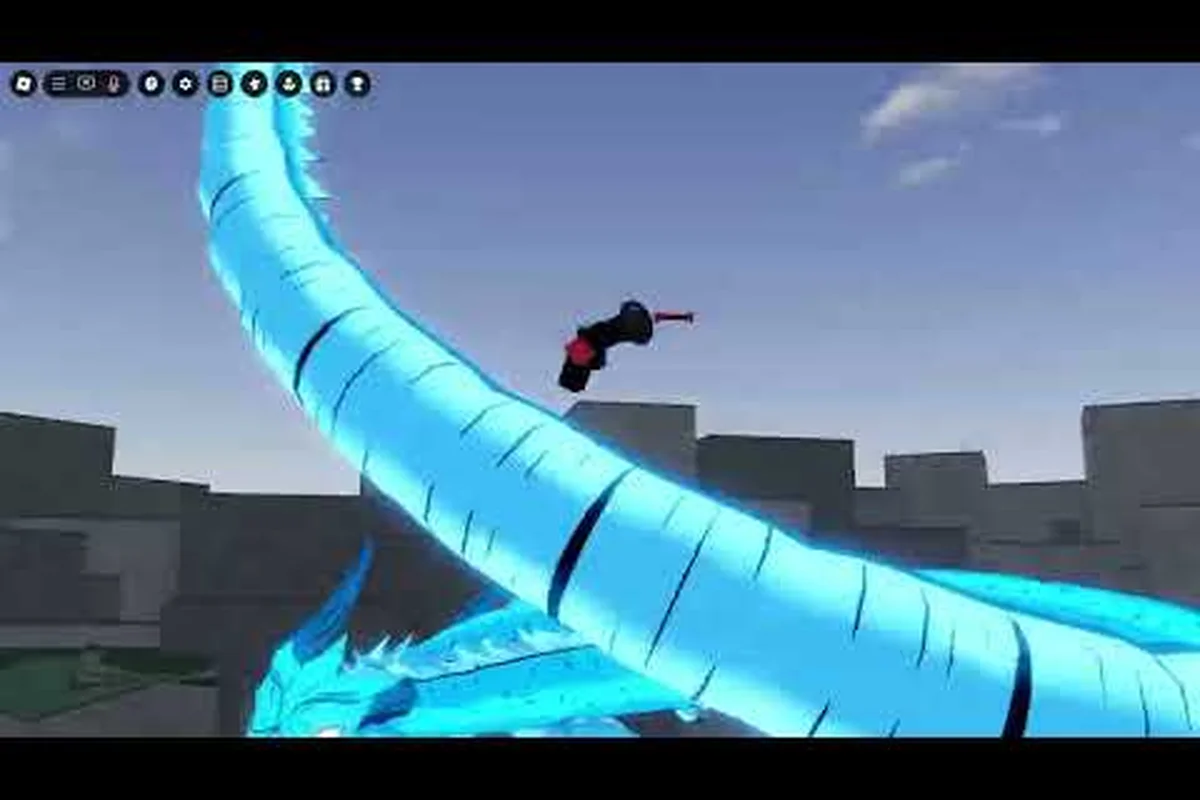
The Legends Battlegrounds cancel ultimate is the single most fight-changing piece of tech in the current build, letting you bait a whiffed super and punish instantly. Since the awakening rework reshuffled cancel windows, old muscle memory no longer works — here is what actually lands now.
What the Cancel Ultimate Actually Does
Canceling an ultimate means interrupting your own super animation before the damage frame commits, then chaining into a faster move that still connects. In Legends Battlegrounds this matters because a raw ultimate is slow, telegraphed, and easy to block or dash away from. The cancel turns a predictable finisher into a mix-up tool.
The mechanic works because the game checks your input buffer during specific frames of the animation. Hit the right window and the engine drops the remaining ultimate frames, refunds a slice of your meter, and lets your next input register immediately. Miss it and you eat the full recovery, which is exactly how most players lose rounds.
-
Meter refund: a clean cancel returns roughly 15-25% of the spent ultimate charge, based on community testing
-
Recovery skip: you bypass the long tail-end animation that leaves you wide open
-
Combo extension: the cancel chains into M1 strings, Q dash, or a fresh finisher
-
Bait value: opponents who pre-block the ultimate get punished by the shortened version
The awakening rework changed two things that matter here. First, the cancel window shifted earlier in the animation for most movesets, so you now commit to the input sooner than before. Second, the awakened state no longer grants a free meter refill on activation, which means every cancel you land is worth more because you cannot simply re-awaken to reset.
According to the official game page on Roblox, the title is still actively updated by developer Zalekoth, and the community group Arts of Vermillion sits at roughly 1.44 million members — a useful signal that balance patches land fast and tech can change between updates. If you want the foundational mechanics before diving into cancel timing, the awakening system explained walkthrough covers meter gain and activation from scratch.
Cancel Windows by Awakening Type
Not every moveset cancels on the same frame. The awakening rework gave each character family its own timing curve, and treating them as identical is the fastest way to whiff. Below is what players have mapped out through lab testing since the rework.
| Awakening Type | Cancel Window | Meter Refund | Difficulty |
|---|---|---|---|
| Fast rushdown (dash-heavy) | Early, ~frame 6-9 | 20-25% | Low |
| Balanced brawler | Mid, ~frame 10-13 | 15-20% | Medium |
| Heavy finisher | Late, ~frame 14-18 | 10-15% | High |
| Ranged/projectile | Very early, ~frame 4-7 | 18-22% | Medium |
| Transformation state | Split window (two peaks) | 12-18% | Very High |
The split window on transformation-type awakenings is the one that trips people up. There are two separate cancel peaks — one right as the transformation starts and one as it ends — and hitting the middle does nothing but waste your meter. Community reports suggest this was intentional to stop transformation spam after the rework.
For rushdown characters, the cancel is almost forgiving enough to mash, which is why they dominate early ranked play. Heavy finisher movesets demand you count frames in training mode before you ever try it live. If you are still deciding which character to invest in, the Shinji ultimate breakdown shows how one popular moveset handles its finisher window in practice.
Reading the Animation Tell
Every ultimate has a visual cue that marks the cancel window opening. On most movesets it is a brief color flash on the character's weapon or hands, lasting only a few frames. Players who lab in training mode learn to react to that flash rather than to a timer, which is far more reliable under pressure.
Why the Awakened State Changes Your Math
Entering the awakened state raises your damage but does not extend the cancel window. That means the safest pattern is to cancel first, confirm the hit, then awaken for the follow-up pressure. Reversing that order wastes the meter refund you just earned.
Building a Cancel Ultimate Combo Route
A cancel is only as good as what follows it. The strongest routes use the shortened ultimate as a launcher, then convert into a finisher that the opponent cannot react to because they were still blocking the original super. That block-stun window is the whole point: when you cancel on the flash frame, the opponent's guard is still locked in the ultimate's startup animation, so their fastest jab never gets a chance to interrupt your dash. Whiff the cancel timing by even a few frames, though, and the same route flips into a free punish — which is why the M1 x2 into Q dash bridge matters more than the finisher itself.
| Step | Input | Purpose |
|---|---|---|
| 1 | Awaken and build meter to full | Set up the threat |
| 2 | Start ultimate, watch for the flash | Bait the block or dash |
| 3 | Cancel on the flash frame | Skip recovery, keep meter |
| 4 | M1 x2 into Q dash | Close the gap they opened |
| 5 | Land the finisher | Convert the read into damage |
This five-step route is the backbone of most high-level play right now. The critical part is step 3 — if you cancel too late, the opponent has already recovered from their block and can punish your dash. If you cancel too early, the ultimate never registers as a threat and they simply walk away.
-
Practice order: lab the cancel alone, then the cancel into dash, then the full route
-
Common failure: canceling into a finisher that has a longer startup than the opponent's fastest jab
-
Fix: swap to a faster finisher or add one M1 before committing
Players who want to push damage even further can study the ultimate one-shot setups to see how cancel routes feed into maximum-damage conversions when the opponent is already low. The key link is the meter economy: canceling on the flash frame preserves roughly half your Awakening meter instead of draining it to zero, so a route that opens with a canceled ultimate can still bank enough charge for a second Awakening activation inside the same round. That is why the one-shot setups pair a cancel opener with a finisher that scales off the awakened state rather than raw M1 damage — if the opponent survives the first conversion at 15% HP, the refunded meter lets you re-enter Awakening and close with a second ultimate before their dodge comes off cooldown.
Timing the Finisher Reset
The finisher reset is the payoff. After a successful cancel, your finisher's cooldown is often still ticking from the last use, so you need to know whether it is ready. A quick rule: if you canceled within the first third of the ultimate animation, your finisher will usually be back by the time the dash connects. If you canceled late, hold the finisher and reset to neutral instead.
Countering Opponents Who Cancel
Once you climb past Diamond, nearly every opponent cancels the ultimate rather than letting it finish, so your win condition shifts from surviving the Awakened State burst to punishing the cancel animation itself. The recovery window right after a cancel is short but real — roughly the length of a single dash — and it is where rounds get decided. This is why the counter table below grades each cancel variant by risk: an early cancel leaves the attacker grounded and blockable, while a late cancel opens a dash-in punish during recovery. Track their meter, because a low charge bar means no double-cancel is coming.
| Opponent Action | Your Response | Risk |
|---|---|---|
| Cancels early | Block, then punish the dash | Low |
| Cancels late | Dash in during recovery | Medium |
| Fakes the cancel | Wait, do not commit | Low |
| Cancels into finisher | Backdash out of range | Medium |
| Double-cancels | Bait the second, punish | High |
The double-cancel is the scariest pattern because it burns two meter chunks to create a second mix-up. It only works if the opponent has banked enough charge, so tracking their meter is the real counter. If their bar is low, a double-cancel is impossible and you can block freely.
Community data from the official Discord suggests most players over-respect the cancel and block too long, which hands the initiative back to the attacker. The fix is simple: after you block the shortened ultimate, immediately look for the dash and punish it rather than waiting for a finisher that may never come.
Meter Tracking as a Habit
Glancing at the opponent's meter between exchanges takes practice but pays off. A player at 40% meter cannot threaten a cancel-heavy route, so you can play more aggressively. A player at full meter demands respect and spacing. The read sharpens once you factor in the awakening rework: because the Legends Battlegrounds awakened state now gates access to the ultimate, an opponent sitting at full meter may still be one bar short of the Legends Battlegrounds cancel ultimate if their awakening hasn't triggered. Track two values, not one — raw meter and awakening availability — and treat a full bar with no awakened state as a green light, while a full bar plus glowing awakening icon means hold your spacing and respect the finisher threat.
Training Mode Drills That Transfer
Raw lab time beats theory every time, because the cancel window in Legends Battlegrounds is tied to the ultimate's startup animation, not a fixed timer — you have to feel the frame, not read it. These five drills are ordered from easiest to hardest, and each one isolates a specific weakness in cancel execution: recognition speed, meter independence, movement integration, route consistency, then live pressure. Skipping ahead to the full route before you can blind-cancel just builds sloppy muscle memory that collapses the moment an enemy closes distance.
-
Drill 1 — Flash recognition: start the ultimate repeatedly and cancel only on the visual tell, 20 reps
-
Drill 2 — Blind cancel: cancel without looking at the meter, relying on animation memory
-
Drill 3 — Cancel into dash: chain the cancel into Q dash until it is automatic
-
Drill 4 — Full route: run the five-step combo against a blocking dummy
-
Drill 5 — Live pressure: run the route in casual matches before ranked
Most players plateau at drill 3 because they never practice against a moving target. The jump from drill 4 to drill 5 is where the tech actually becomes usable, since a real opponent will not stand still for your setup.
Setting Up the Dummy Correctly
Set the training dummy to block after the first hit, not to block everything. This mimics how real players react — they block the ultimate, then try to punish. If your dummy blocks everything, you will never learn the punish window that matters.
Reading the Rework Patch Notes
The awakening rework was not a small tune. It touched meter economy, activation rules, and cancel frames across the roster, and understanding why helps you predict future changes. The core design goal was to stop the awakened state from being a free reset button. Under the old rules, a full meter refill on awaken meant you could chain ultimates back to back, so cancel timing barely mattered. After the rework, meter spent on the initial ultimate now scales the awakened damage bonus, and the finisher cooldown scales with how early you cancel — fast cancels shave cooldown, late ones extend it. That single shift is why cancel windows moved from a late, uniform timing to an early, per-moveset timing: each character's kit now defines its own cancel rhythm instead of sharing one global window.
| Rework Change | Before | After |
|---|---|---|
| Meter on awaken | Full refill | No refill |
| Cancel window | Late, uniform | Early, per-moveset |
| Finisher cooldown | Fixed | Scales with cancel timing |
| Awakened damage | Flat bonus | Bonus scales with meter spent |
The removal of the free meter refill is the change that reshaped the meta most. Previously you could awaken, dump your ultimate, and re-awaken to reset — a loop that made cancel tech less valuable. Now every meter point is precious, so a clean cancel that refunds 20% is genuinely worth the practice.
Developer Zalekoth has historically pushed balance updates through the official channel, and a duels lobby redesign was previewed ahead of the 2026 battle rework. That kind of structural change often comes with frame adjustments, so re-test your cancel windows after any major patch rather than trusting old notes.
What to Re-Test After a Patch
-
Cancel window timing on your main moveset
-
Meter refund percentage
-
Finisher cooldown after a cancel
-
Whether the awakened state still behaves the same
Frequently Asked Questions
What is the cancel ultimate in Legends Battlegrounds?
It is a technique where you interrupt your own ultimate animation during a specific frame window, skipping the recovery and refunding part of your meter. The shortened move still threatens the opponent, so you convert a slow, blockable super into a fast mix-up that chains into dashes and finishers.
Did the awakening rework change cancel timing?
Yes. The rework moved cancel windows earlier for most movesets and made them per-character rather than uniform. It also removed the free meter refill on awakening, which makes every successful cancel more valuable. Re-test your timing after each patch because windows can shift.
Which awakening type is easiest to cancel?
Fast rushdown movesets are the most forgiving, with an early window around frame 6-9 and a 20-25% meter refund. Transformation-type awakenings are the hardest because they use a split window with two separate peaks, and hitting the middle wastes your meter entirely.
How do I punish someone who cancels their ultimate?
Block the shortened ultimate, then immediately watch for their dash and punish it instead of waiting for a finisher. Track their meter too — a player below roughly 40% charge cannot threaten a double-cancel, so you can play more aggressively against them.
Is the finisher always ready after a cancel?
Not always. If you canceled within the first third of the ultimate animation, your finisher is usually back by the time your dash connects. If you canceled late, the cooldown is still ticking, so hold the finisher and reset to neutral rather than forcing a punish.
Mastering the cancel ultimate comes down to three habits: recognizing the animation flash, knowing your moveset's specific window, and drilling the route until it is automatic. The awakening rework raised the skill ceiling by removing free meter refills, so players who invest in cancel timing now hold a real advantage over those still throwing raw supers. Lab the drills, re-test after every patch, and the tech will carry you through ranked.