
Movesets
Signature move breakdowns for every Legends Battlegrounds character: named attacks, move variants, finishers, and the tips that make each move hit more often.
Introduction
Movesets are the heart of Legends Battlegrounds. Every character carries four signature moves plus variants and finishers, and knowing exactly what each move does — its range, speed, damage, and whether it can be blocked — decides how you approach every fight. This section breaks down named attacks like Jun's Glimpse of Power and Wolf Fang Flash, explains how finishers work, and lists the move-level details that tier lists and combo guides assume you already know. Once you understand each move's role in the kit, strings, juggles and ultimate setups all start to click, and reading an opponent's kit becomes second nature.
Signature Moves At a Glance
| Move | Character | Role | Why It Matters |
|---|---|---|---|
| Glimpse of Power | Jun | Gap closer | Advancing two-hit strike that starts pressure |
| Wolf Fang Flash | Jun | Evasive | Backflipping kick evades lows while punishing |
| Fang Dance | Jun | Extender | Keeps an extended chain going after launch |
| Virgule Cascade | Jun | Finisher | High-damage finisher, often ends full combos |
| Triple Kick Counter | Martial Legend | Counter | Grants speed and aura buff on landing |
Move Profile Cards
Glimpse of Power
Jun's advancing two-hit strike — the reliable pressure starter.
Wolf Fang Flash
A backflipping kick that evades low attacks while punishing.
Fang Dance
Jun's combo-follow-up move that keeps extended chains alive.
Virgule Cascade
High-damage finisher that ends full combos with style.
Triple Kick Counter
Martial Legend's signature counter with a game-changing buff.
Fatal Corruption Moveset
Unconfirmed future kit inspired by Animator vs. Animation, teased as the next roster addition.
Core Mechanics
Each character's four signature moves follow a design pattern: one gap closer, one evasive or counter tool, one combo extender, and one high-damage finisher. Moves also exist in variants — landing conditions, range and follow-ups change how you convert them, so the same named attack can behave differently in different situations. Finishers are the big swings that cost more commitment but reward confirms and punish whiffs hard. Move cooldowns and recoveries matter as much as damage: an unblockable or armored move can break guard, but if it whiffs you hand your opponent their own huge opening. Understanding these layers turns a move list into a game plan you can adapt on the fly.
Advantages
A small, readable moveset per character is a competitive goldmine. Because each fighter has only four moves plus variants, you can memorize your main's entire kit in one session and start internalizing how to use it — no spreadsheet required and no rote memorization of forty-frame data. The clear move roles (closer, counter, extender, finisher) make it obvious what a move is for, which shortens the learning curve dramatically. At the same time, the interaction between moves, dashes and guard offers real depth: a single finisher spam is predictable, but mixing closers, counters and timings creates pressure that top players still respect, keeping the game deep even with a compact move list.
Challenges
Move details are among the least reliable data in the game's community ecosystem. Cooldowns, damage numbers and exact range come from player testing rather than official documentation, and they change whenever the developer ships a balance patch or rework. Move names also shift between sources — community wikis may call a move by one name while the in-game UI references another, so cross-referencing is often necessary. Always treat damage numbers and frame-ish details as estimates to verify in practice mode, and re-check your main's kit after every update before relying on old punishes, because a single changed property can flip a matchup you thought you had solved.
Frequently Asked Questions
How many moves does each character have?+
Are there unblockable or armored moves?+
What is the difference between a finisher and a normal move?+
Quick Tips
Learn the role of each move before the damage numbers. Ask yourself: is this my gap closer, my counter, my extender or my finisher? Once you know what a move is for, you will naturally stop using your finisher to poke and start saving it for conversions and punishes, which instantly makes your offense more threatening and your defense less predictable.
Do not telegraph your finisher. The biggest punish windows in Legends Battlegrounds come from whiffed finishers — opponents read the big animation and dash in to confirm. Use closers and small moves to set up the read, then let the finisher land when they cannot react, like after a launcher or a wall bounce.
Check the training dummy after every patch. A rework can change a move's range, cooldown or block property without touching its name, and the October 2026 combat rework proved the meta can shift overnight. Spend five minutes re-verifying your main's four moves after each update so your punishes, confirms and combo routes stay honest against the current combat system instead of relying on stale muscle memory.
Featured
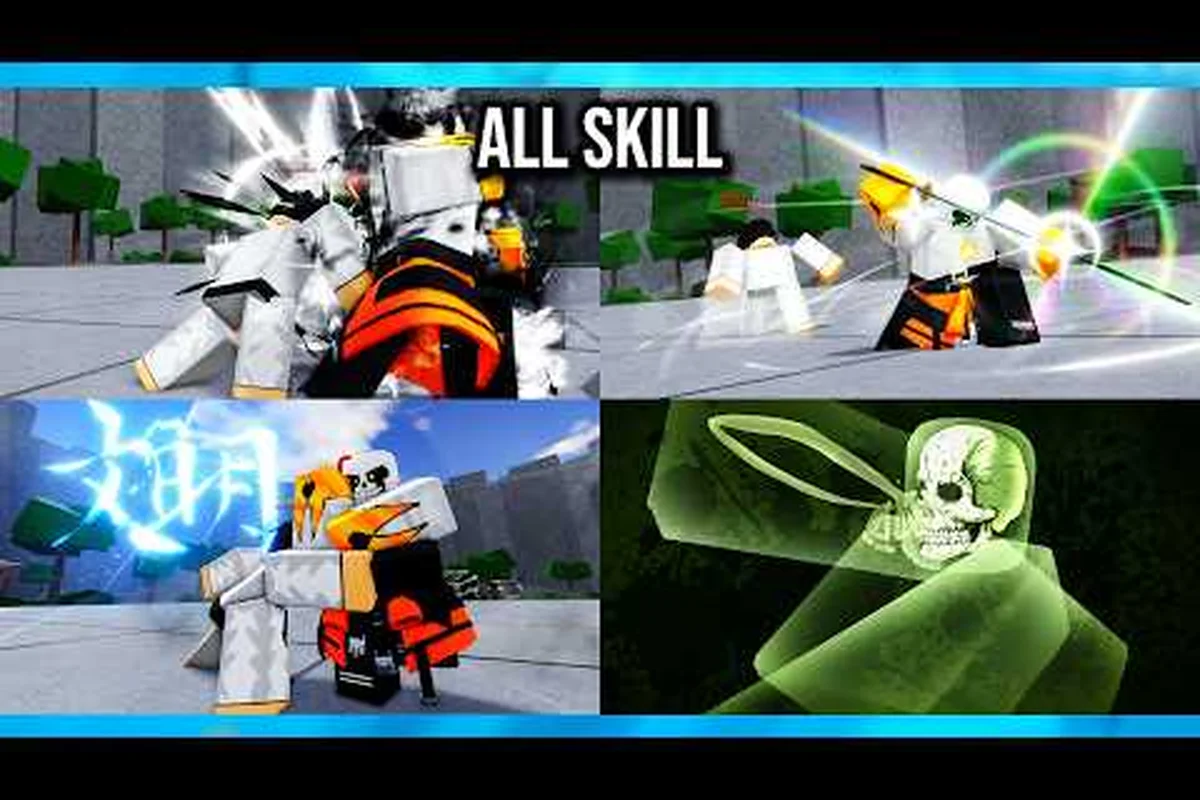
Legends Battlegrounds All Moves: Inputs, Variants & Frame Data
Browse the full Legends Battlegrounds all moves catalog with inputs, variant branches, and frame data so you can plan every stickman fight from neutral to finisher.
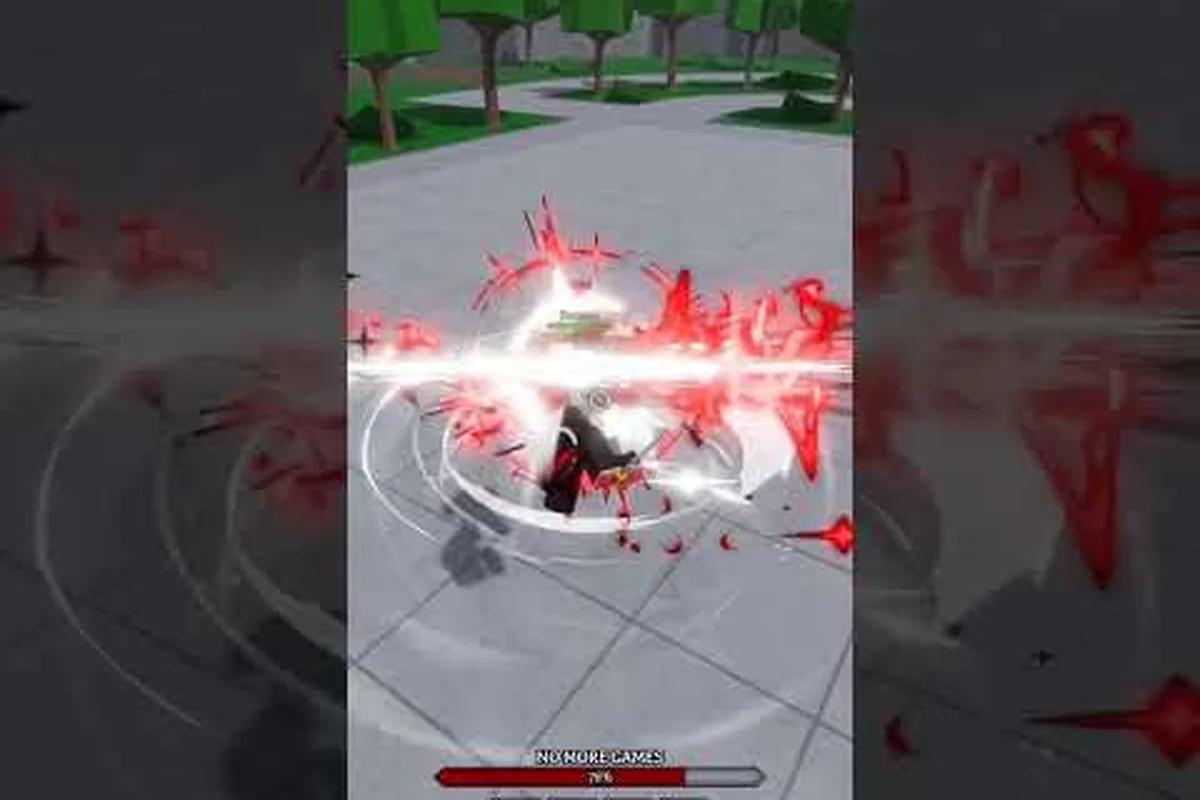
Legends Battlegrounds Fang Dance: Jun Move Explained
Learn Legends Battlegrounds Fang Dance inside Jun's boxing kit, plus chainable strikes like Virgule Cascade, Piercing Tempest, and Phantom Sever.
Legends Battlegrounds Move Finishers: Every Finisher
Master Legends Battlegrounds move finishers with a full list of killing blows, the inputs that land them, and Jun's boxing finishers that seal duels.
All Articles
Legends Battlegrounds No More Games: Jun Ultimate Guide
Trigger Legends Battlegrounds No More Games with the right combo setup, plus unblockable punch and kick counter strings that turn Jun's ult into a finisher.
Legends Battlegrounds Secret Moves: Hidden Tech List
Discover Legends Battlegrounds secret moves, from stance transitions and dash cancels to block-break strings and off-meta tech that expand every stickman kit.
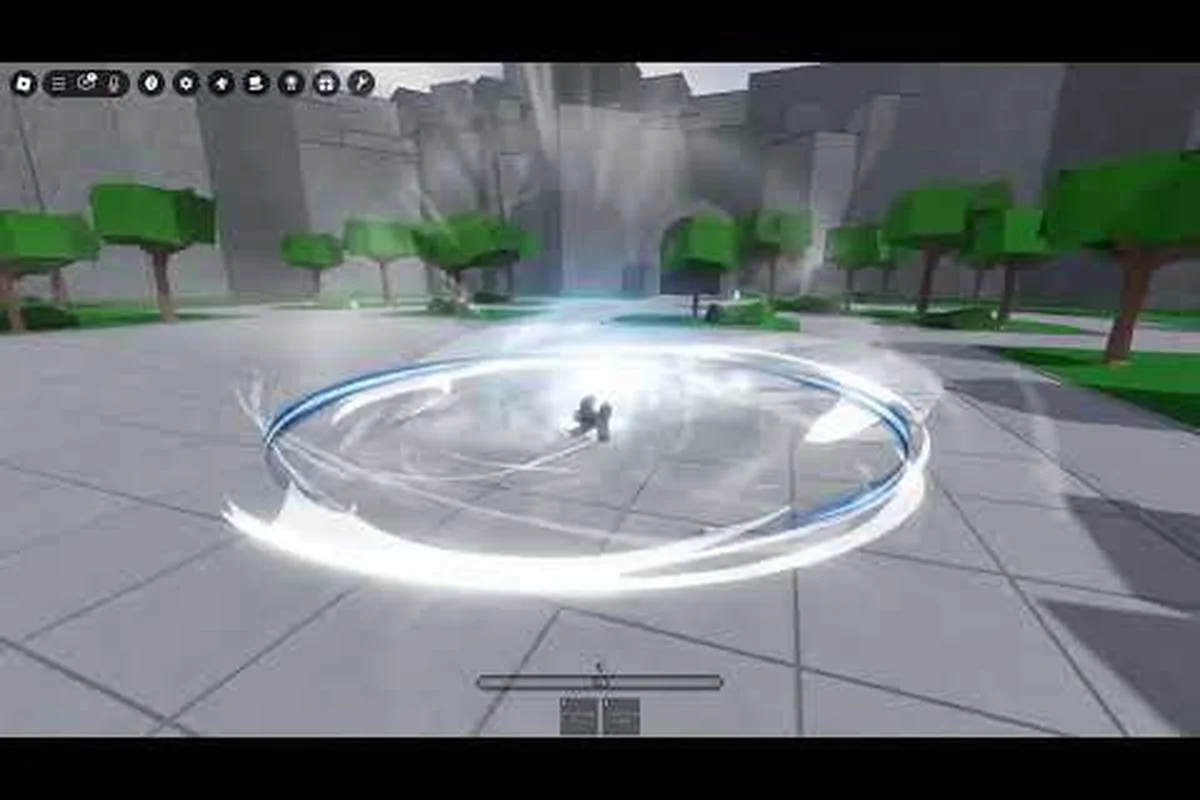
Legends Battlegrounds Shinji Moves: Full Martial Kit
Break down Legends Battlegrounds Shinji moves including Glimpse of Power, Wolf Fang Flash, and combos that make the Martial Legend fighter dominate.
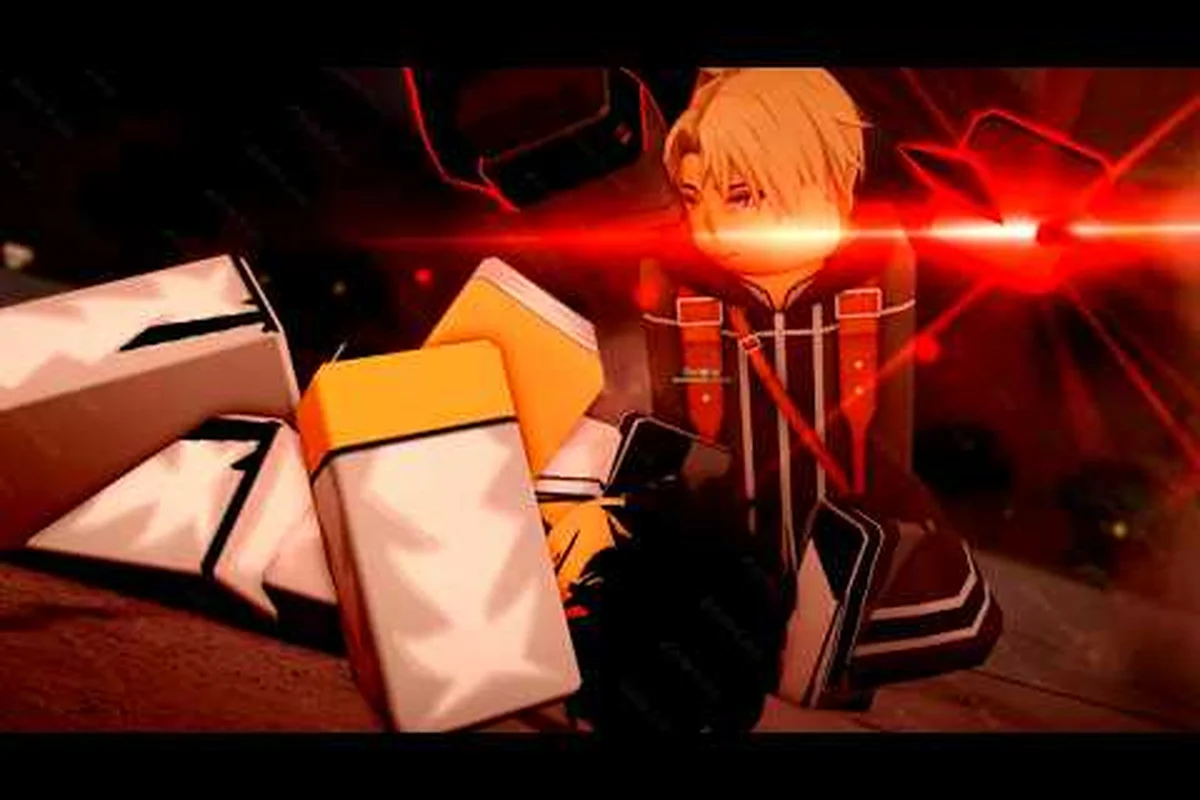
Legends Battlegrounds Armored Moves: Super Armor & Counters
Catalog every Legends Battlegrounds armored moves option with super armor frame counts, trade windows, and the dodge punishes that beat them in duels.