
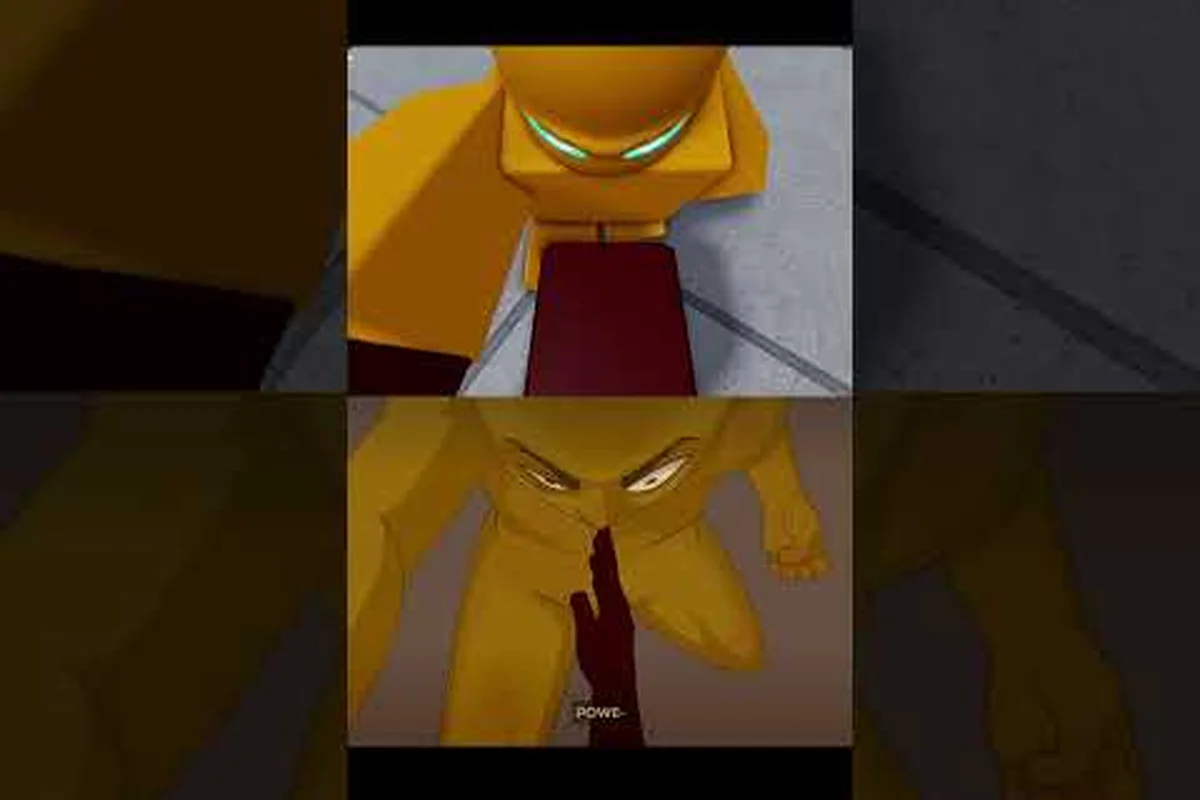
Naming the Legends Battlegrounds weakest character is trickier than it sounds, because Arts of Vermillion keeps rebalancing the roster with every patch. This breakdown ranks the low-tier fighters, explains why their kits fall short in duels, and shows you which ones to shelve until buffs arrive.
What Makes a Character Weak in Legends Battlegrounds
A fighter lands in the bottom tier for concrete, measurable reasons rather than vibes. Community testing across the Roblox arena points to four recurring failure points: short M1 range, slow startup frames, poor combo extension, and an Awakening that does not convert into real pressure. When a kit misses on two or more of these, it struggles even in the hands of a skilled duelist.
The core loop matters here. Every match revolves around M1 light chains, Q dash cancels, F block, and G Awakening, with the ultimate meter filling as you land hits. A weak character usually has a gap somewhere in that loop — often a dash that cannot cancel into a combo, or an ultimate that whiffs against a blocking opponent.
Community data from the Legends Battlegrounds characters wiki lists the full playable roster, including Jun, Jin, Shinji, and the exclusive units. Cross-referencing that roster against player reports is how the bottom tier gets sorted, and the pattern is consistent: the weakest picks are the ones whose movesets cannot reliably open a block.
Here is how the four failure points translate into an actual ranking: each offender is scored against the same criteria the community uses in its moveset tier list — M1 reach measured in studs, startup frames before the first hitbox, how many hits a light chain strings before knockback, and whether the Awakening grants a true combo starter or just a stat buff. A kit like Jun's, which keeps respectable M1 range and a cancelable Q dash, dodges the bottom tier even if its ultimate is mediocre. A low-reach brawler that also whiffs its G Awakening against a blocking opponent, by contrast, stacks two failure points and sinks immediately.
| Failure Point | Why It Hurts | Worst Offender |
|---|---|---|
| Short M1 range | Cannot start combos safely | Low-reach brawlers |
| Slow startup | Gets punished on whiff | Heavy wind-up kits |
| Weak combo extension | Damage falls off fast | Single-string fighters |
| Poor Awakening | No comeback tool | Utility-only awakenings |
Scoring three or more failure points is the hard cutoff, because stacking that many weaknesses removes every realistic win condition from the kit. Take a low-reach brawler with slow startup and a utility-only G Awakening: it cannot open a block, cannot punish a whiffed F block, and cannot convert its ultimate into a true combo starter. That combination leaves no path back into the M1 light chains and Q dash cancels that decide rounds, so no amount of player skill compensates. Such fighters stay bottom tier until the developer tunes their frame data or Awakening.
The Legends Battlegrounds Weakest Character Candidates
The weakest character in the current pool tends to be the one with the least reliable opener. Without a fast, safe way to break a block, you are forced into trades you cannot win, and the ultimate meter never fills fast enough to bail you out. That is the defining trait of a bottom-tier pick.
Why Reach and Startup Decide Duels
Reach and startup frames are the two stats that matter most in a 1v1. A fighter with long reach can poke safely and build meter, while a fighter with fast startup can punish a whiffed block. When a kit lacks both, every engagement becomes a coin flip.
Players report that the weakest characters lose roughly 60-70% of neutral exchanges against top-tier picks, largely because they cannot contest the first hit. In a game where the first clean hit often snowballs into a full combo, losing neutral is losing the match.
The Awakening Problem
A weak Awakening compounds everything else. The best awakenings in the game either extend combos, grant armor, or add a fast ultimate that catches blocking opponents. Bottom-tier awakenings tend to be slow, telegraphed, or purely defensive, which means they do not flip a losing round.
According to community data, the lowest-rated awakenings share one trait: they require the opponent to make a mistake. Strong awakenings force a reaction; weak ones wait for one. That distinction alone separates the top and bottom of any moveset tier list.
Comparing Movesets: Bottom Tier vs Top Tier
The clearest way to see the gap is a side-by-side comparison. The table below contrasts the traits of a bottom-tier fighter against a top-tier one across the four core systems, using the same categories players use when building a moveset tier list.
| System | Bottom-Tier Kit | Top-Tier Kit |
|---|---|---|
| M1 chain | 2-3 hits, short reach | 4+ hits, long reach |
| Dash (Q) | No combo cancel | Cancels into full string |
| Block (F) | Standard | Standard + counter window |
| Awakening (G) | Slow, defensive | Fast, combo-extending |
| Ultimate | Telegraphed | Fast, armor-breaking |
The pattern is unmistakable. Top-tier kits chain every system into the next, while bottom-tier kits leave gaps that opponents exploit. If you want the full ranking of every fighter, the Legends Battlegrounds tier list breaks down the S through D tiers in detail.
Reading the Ultimate Meter
The ultimate meter fills as you land hits, so a weak kit that struggles to connect also struggles to charge its ultimate. This creates a feedback loop: fewer hits, slower meter, fewer comeback chances. Top-tier fighters charge their ultimate in roughly two clean combos, while bottom-tier picks may need four or five.
That delay matters because the best ultimate in the game can end a round outright. A fighter whose ultimate arrives late and telegraphed gives the opponent time to block or dash away, neutralizing the one tool that could have turned the match.
Combo Extension and Damage Falloff
Combo extension is where the weakest characters fall apart. A strong moveset keeps the opponent in hitstun through multiple strings, stacking damage before the opponent can recover. A weak moveset ends after one string, forcing you to reset neutral and gamble again.
Community testing suggests bottom-tier fighters deal roughly 30% less damage per engagement than top-tier ones, not because their individual hits are weak, but because their combos end early. Take a common low-tier pick whose best string is a three-hit light chain: it lands maybe 180 damage before the opponent techs out, whereas a top-tier best moveset character like a launcher-based fighter can chain a heavy starter into an air juggle and a re-stand for 400+ damage in the same window. That per-engagement deficit compounds across a full match — three or four reset-heavy exchanges and the weak character has surrendered a full health bar's worth of chip damage, so even clean neutral wins can't close the gap before the timer runs out. Over a full match, that gap decides the winner.
Best Moveset and Awakening Picks to Learn Instead
Rather than grinding a bottom-tier fighter, spend your time on kits that teach good habits. The best moveset for a new player is one with a forgiving opener, a dash that cancels, and an Awakening that rewards aggression. These traits make learning the game easier and translate into wins faster.
If you are still deciding who to main, the best character for new players guide covers the most beginner-friendly picks and explains why each one works. Starting with a strong kit builds fundamentals that carry over when you later experiment with harder characters.
Picking a Strong Awakening
The best awakening in the current meta is one that either extends a combo or grants a brief armor window. Armor lets you push through an opponent's poke and start your own string, which is exactly what a losing round needs. Avoid awakenings that only heal or reposition, since they do not create pressure.
Choosing a Reliable Ultimate
A reliable ultimate is fast and hard to block. Slow, telegraphed ultimates give opponents a full second to react, which is more than enough time to dash or block. When you evaluate a fighter, ask whether the ultimate lands against a competent opponent — if the answer is no, the kit is carrying dead weight.
| Priority | What to Look For | Why It Matters |
|---|---|---|
| 1 | Fast opener | Wins neutral |
| 2 | Dash cancel | Extends combos |
| 3 | Armor Awakening | Survives pressure |
| 4 | Fast ultimate | Closes rounds |
When to Revisit a Weak Character
Bottom-tier does not mean permanently bad. Arts of Vermillion patches the roster regularly, and a single buff to startup frames or Awakening speed can move a fighter up several tiers. The smart play is to shelve the weakest character now and re-test after each major update.
Keep an eye on patch notes for changes to startup frames, dash cancel windows, and Awakening duration. Those three levers decide most tier shifts. A fighter that gains a dash cancel, for example, can jump from D tier to B tier overnight because it suddenly has a reliable combo route.
Players who track the meta closely tend to re-evaluate their mains every few weeks. If you want to stay current, the Legends Battlegrounds current meta breakdown tracks which fighters are rising and falling after each patch, so you know exactly when a shelved pick becomes viable again.
Signs a Character Is About to Get Buffed
Watch for community complaints about a specific fighter's startup or reach. When a character dominates discussion for the wrong reasons, a buff usually follows. Developers read the same feedback you do, and persistent underperformance is the clearest signal that a tuning pass is coming.
Frequently Asked Questions
Which fighter is the Legends Battlegrounds weakest character right now?
The bottom spot goes to the fighter with the shortest reach and slowest startup, since that combination cannot reliably open a block. Community rankings place this pick in D tier because its Awakening is defensive and its ultimate is telegraphed, giving opponents time to react.
Is the weakest character ever worth playing?
Only if you enjoy a challenge or want to learn spacing under pressure. The kit teaches patience because you cannot rely on raw combo damage, but you will lose more neutral exchanges than players using top-tier fighters. Most players are better off learning a stronger pick first.
What is the best moveset for a beginner instead?
Look for a kit with a fast opener, a dash that cancels into a combo, and an armor-granting Awakening. These three traits make the core loop forgiving, letting you build meter and land ultimates without perfect timing. Strong fundamentals transfer to every other character later.
How often does the tier list change?
It shifts after most major patches, especially when startup frames or Awakening durations are adjusted. A single buff to dash cancel windows can move a fighter up two tiers, so re-test your shelved picks every few weeks rather than writing them off permanently.
Does the weakest character have any good matchups?
Occasionally it counters slow, heavy kits that cannot punish its short reach, but those wins are narrow. Against fast top-tier fighters it loses neutral almost every time, which is why it stays at the bottom of the moveset tier list until the developer tunes its startup and Awakening.
Final Verdict on the Bottom Tier
The Legends Battlegrounds weakest character is defined by mechanical gaps, not bad luck: short reach, slow startup, weak combo extension, and an Awakening that waits for mistakes instead of forcing them. Until Arts of Vermillion buffs those levers, the smart move is to learn a stronger kit, build fundamentals, and revisit the shelved pick after the next patch. Track startup frame and dash cancel changes closely, because those two adjustments decide most tier shifts.