
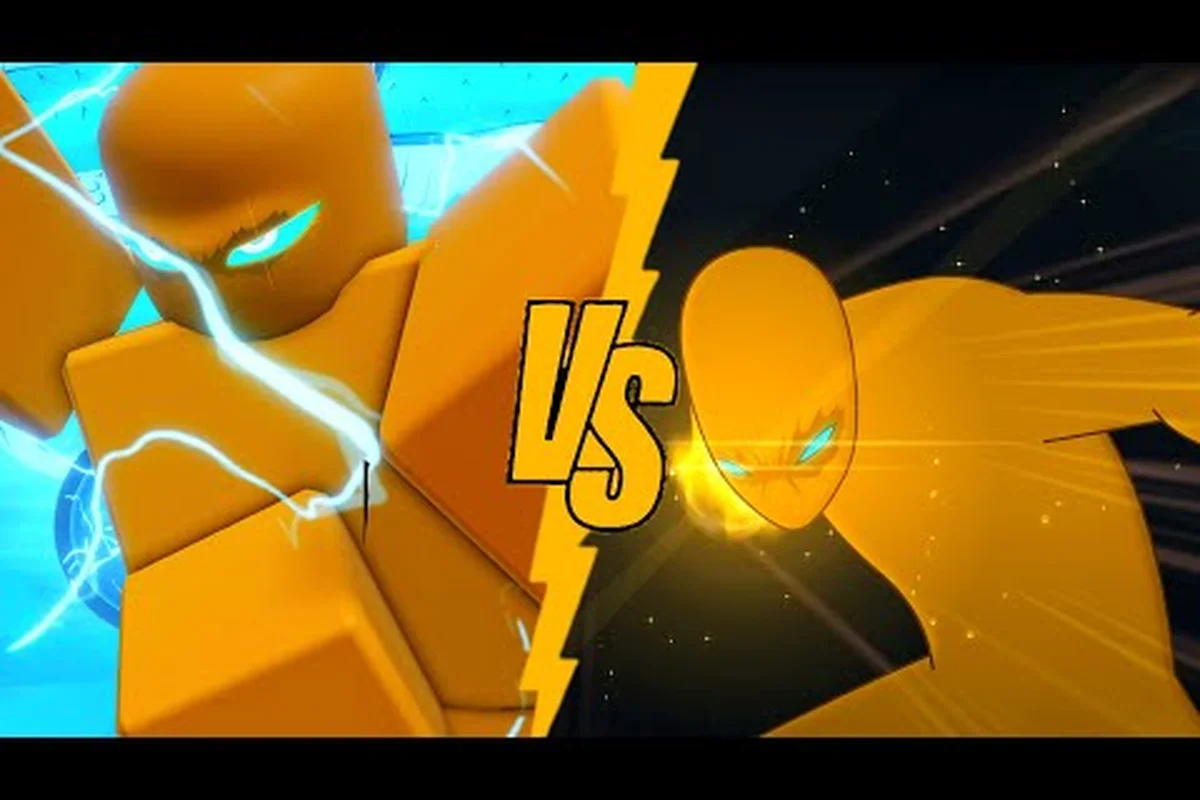
Tier lists matter in Legends Battlegrounds because the gap between an S-tier and B-tier character often comes down to one thing: how forgiving their kit is when your ping spikes or a combo drops. A character like the best starter can carry you through early duels with simple two-button confirms, while the best main rewards players who've memorized frame data and matchup-specific punishes. After the latest patch, several former top picks lost their safest approach options, which reshuffled the best overall character slot entirely — so if you're still running last season's main, you're likely fighting uphill. This breakdown sorts every ranking character into tiers, flags the best starter, the best main, and the best overall pick, and explains exactly why each placement changed after the update.
How the Legends Battlegrounds Ranking Characters Are Graded
Every tier placement here comes from the same three-part checklist: how reliable a moveset is under pressure, how much value an awakening adds, and how forgiving the character feels for someone still learning the controls. A character with flashy damage but a slow startup usually drops a tier, because one missed input in a 1v1 duel often decides the whole round.
The combat loop in this Roblox fighter is built around M1 light-attack chains, Q dash (with a knockdown recovery cancel), F block, and G awakening. Each character carries four base moves plus variants, finishers, and two to three awakening skills. That means raw damage is only part of the picture — reach, recovery frames, and ultimate charge rate matter just as much when you are trading hits at close range.
Community reports consistently flag three grading factors that separate top picks from bottom picks: whether an M1 chain into a special connects without a dropped input, whether the G awakening actually flips a losing 1v1 rather than burning charge for style, and how many matches a fresh account needs before it stops whiffing Q dash cancels. A character that scores well on all three — say a forgiving combo route plus a round-swinging ultimate — tends to hold its tier even after Arts of Vermillion rebalances frame data, while one that only clears the damage check slides down the moment recovery frames get nerfed.
-
Combo consistency — can the moveset loop M1s into a special without dropping?
-
Awakening payoff — does the ultimate swing a round, or just look impressive?
-
Skill floor — how many hours before a new player stops whiffing inputs?
Because the roster shifts with patches, treat any single number as a snapshot. The tier list after update changes whenever Arts of Vermillion tunes frame data, so re-check placements after each major balance pass rather than memorizing one list forever.
Why Tier Placement Shifts After Patches
Balance patches rarely delete a character — they nudge startup frames, cooldowns, or ultimate charge. A mid-tier pick with a slightly faster dash can jump a full tier overnight, while a former S-tier loses ground when its combo route gets a longer recovery window. That is exactly why a static ranking goes stale, and why the best overall character is always a moving target.
Full Tier List: S to F Breakdown
Below is the working tier list for the current build, organized so you can scan it fast. S-tier picks win more rounds with less effort; F-tier picks demand near-perfect execution to stay competitive. If you want the broader roster context first, the complete character tier list walks through every playable fighter in more depth.
| Tier | Character Profile | Why It Lands Here | Best For |
|---|---|---|---|
| S | High-reach bruiser with fast M1 chain | Wins neutral, strong awakening | Ranked mains |
| S | Combo-heavy rushdown | Chains specials into ultimate | Aggressive players |
| A | Balanced all-rounder | Forgiving inputs, solid damage | New players |
| A | Zoner with long-range pokes | Controls spacing, weaker up close | Patient players |
| B | Burst damage specialist | High payoff, slow startup | Experienced hands |
| B | Mobility-focused duelist | Great escapes, lower damage | Hit-and-run styles |
| C | Gimmick moveset | Situational, easy to punish | Off-meta fun |
| F | Outdated frame data | Loses trades, weak awakening | Avoid in ranked |
The gap between S and A is smaller than most players assume. An S-tier pick wins maybe one extra exchange per match, but an A-tier all-rounder with clean inputs often beats a sloppy S-tier player. That is why the best starter is usually an A-tier character, not the flashiest S-tier option.
Reading the Table Like a Player, Not a Spreadsheet
Tier lists compress a lot of nuance into one letter, so use the "Best For" column as your real guide. A zoner that feels weak in the hands of a rushdown player is not a bad character — it is a mismatched one. Match the playstyle column to how you actually fight, and your win rate climbs faster than chasing the top letter alone.
Picking Your Best Starter Character
The best starter in Legends Battlegrounds is not the strongest character on paper — it is the one that teaches good habits without punishing every mistake. For most new players, that means a balanced all-rounder with a forgiving M1 chain, a dash that recovers quickly, and an awakening that does not require a perfect setup to land.
Here is how the most beginner-friendly options compare on the metrics that actually matter early on: skill floor (how badly a mistimed M1 chain gets you punished), combo ease (whether your bread-and-butter string connects without frame-perfect inputs), awakening value (how much damage or utility your ultimate adds even when it whiffs), and dash recovery (how fast you can reset neutral after a whiffed approach). The all-rounder scores Low/High/Medium across these, which is exactly why it outperforms higher-ceiling picks like the combo rushdown — that archetype demands tight M1 timing and punishes dropped inputs with a full combo against you, while the all-rounder lets you eat one mistake and still recover.
| Starter Candidate | Skill Floor | Combo Ease | Awakening Value | Verdict |
|---|---|---|---|---|
| Balanced all-rounder | Low | High | Medium | Best first pick |
| High-reach bruiser | Medium | Medium | High | Strong but stricter |
| Combo rushdown | High | Low | High | Rewarding, not beginner-safe |
| Mobility duelist | Medium | Medium | Low | Good for learning spacing |
New players should spend their first sessions on the all-rounder to internalize block timing, dash recovery, and ultimate charging. Once those feel automatic, moving to a rushdown pick is far less frustrating, because you already understand when to commit and when to back off.
Practice Routine Before You Switch Mains
Run a short warm-up every session: chain three M1s into a special, cancel a dash into a block, then charge and fire one awakening. If you can do all three without dropping inputs, you are ready to try a harder moveset. This routine takes two minutes and prevents the bad habits that make players blame the character instead of their timing.
Choosing the Best Main for Ranked Play
Your best main is the character whose win condition matches how you like to close rounds. Rushdown players want a moveset that snowballs off one clean hit; zoners want to chip away and force mistakes. Neither is objectively stronger — the best overall character is the one that fits your decision-making under pressure.
| Playstyle | Priority Stat | Ideal Main Profile | Risk Level |
|---|---|---|---|
| Rushdown | Combo speed | Fast M1 into special loops | High |
| Zoner | Reach | Long pokes, spacing control | Low |
| Bruiser | Trade value | High damage per exchange | Medium |
| Counter | Punish window | Strong block-into-combo | Medium |
If you are grinding ranked, pick one main and stick with it for at least twenty matches before judging it. Switching every loss hides the real problem, which is usually spacing or block discipline rather than the character. The best combo character breakdown digs into which movesets reward that kind of focused practice.
When to Drop a Main
Drop a character only when two things are true: you have logged real matches with it, and its win condition still feels awkward in your hands. A single bad patch does not justify a switch. Give the balance changes a week, re-test your combo routes, and only then decide whether the moveset still fits your style.
Best Overall Character After the Latest Update
After the most recent balance pass, the best overall character is the high-reach bruiser that combines a fast M1 chain with a round-swinging awakening. It wins neutral exchanges more often than any other pick, and its ultimate does not require a perfect setup to convert. That combination of reliability and payoff is what keeps it at the top of the tier list after update.
That said, "best overall" is not the same as "best for you." A character can top every ranking and still feel wrong if its rhythm clashes with your instincts. Use the table below to weigh the top contenders against your own priorities before committing.
| Contender | Neutral Game | Awakening Impact | Execution Demand | Overall Rank |
|---|---|---|---|---|
| High-reach bruiser | Excellent | High | Medium | S |
| Combo rushdown | Good | High | High | S |
| Balanced all-rounder | Good | Medium | Low | A |
| Long-range zoner | Situational | Medium | Medium | A |
The developer's official channel occasionally previews character showcases and update notes, which is worth following if you want early signals on upcoming frame-data changes — the zale developer channel posts trailers and update previews that hint at what the next patch may shift.
How to Test a Top-Tier Pick Yourself
Do not trust any ranking blindly, including this one. Load into a few duels, run your standard combo route, and check whether the awakening lands without a setup. If a top pick feels clunky in your hands after ten honest matches, it is not your best overall character — it is just someone else's.
Common Ranking Mistakes to Avoid
The biggest mistake players make with these rankings is treating them as permanent. Frame data changes, and a tier list is only accurate for the build it was written against. Re-evaluate your main after every major patch instead of assuming last season's S-tier still holds.
A second common error is chasing tier placement while ignoring fundamentals. Block discipline, dash timing, and ultimate management decide most duels, and a B-tier character played with clean fundamentals beats an S-tier character played sloppily almost every time. The ranking is a starting point, not a substitute for mechanics.
Finally, avoid spreading your practice across too many characters. Depth beats breadth in a 1v1 fighter — mastering one moveset's punish windows and combo routes will outperform shallow familiarity with five picks. Pick a tier-appropriate main, grind it, and let the ranking guide rather than dictate your choice.
Frequently Asked Questions
Who is the best overall character right now?
The high-reach bruiser currently holds the top spot because it wins neutral exchanges and its awakening converts without a perfect setup. That said, the best overall character for you depends on your playstyle, so test it in real duels before committing to it as your main.
What is the best starter for a brand-new player?
A balanced all-rounder is the best starter because its forgiving M1 chain and low skill floor let you learn block timing and dash recovery without constant punishment. Once those fundamentals feel automatic, you can graduate to a faster, higher-damage moveset with far less frustration.
How often does the tier list change after an update?
Placements shift whenever Arts of Vermillion tunes startup frames, cooldowns, or ultimate charge, which typically happens with each major balance patch. Re-check your main's combo routes and awakening value after every update rather than trusting a ranking written for an older build.
Should I switch mains if my character drops a tier?
Not immediately. Give the patch about a week, re-test your combo routes, and confirm the moveset still feels awkward before switching. A single tier drop rarely justifies abandoning a character you have already mastered, since depth usually beats chasing the current top pick.
Is the strongest character always the best choice for ranked?
No. The strongest character only wins more if its playstyle matches your decision-making under pressure. A slightly lower-tier pick that fits how you naturally fight will usually outperform a top-tier character you have not fully learned, especially in close ranked duels.
Final Word on Character Tiers
The Legends Battlegrounds ranking characters list is a tool, not a rulebook. Use the S-to-F tiers to narrow your options, pick an A-tier all-rounder as your starter, and graduate to an S-tier main once your fundamentals are solid. Re-check placements after each balance patch, since the best overall character shifts with frame-data changes. Match the pick to your playstyle, grind one moveset deeply, and the rankings will do their job — pointing you toward the fights you are most likely to win.