
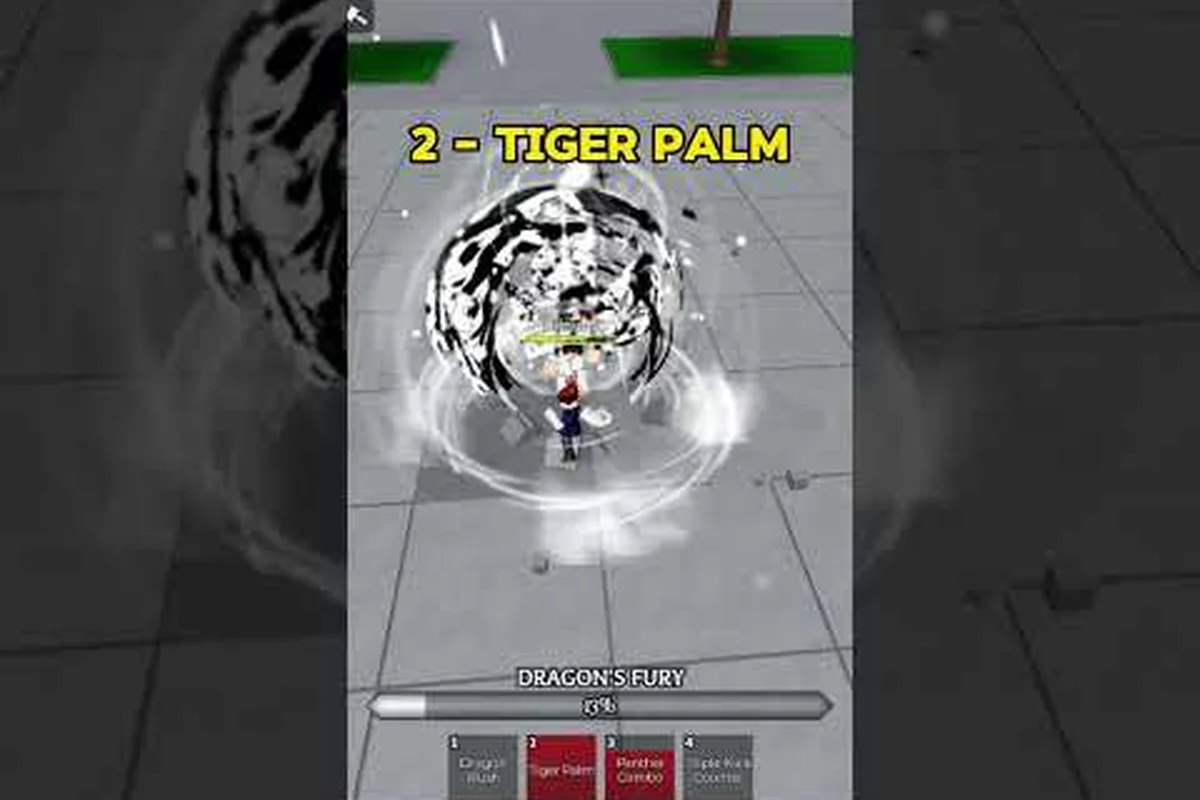
The Legends Battlegrounds Martial Legend emotes are the flashiest way to flex between rounds, and this guide breaks down every music-locked animation, taunt, and input tied to the martial artist roster. If you have ever watched a Jun or Shinji player drop a pose mid-Duel and wondered how they pulled it off, the answer is simpler than it looks.
What the Martial Legend Emotes Actually Are
The martial artist lineup in this Roblox fighter leans hard into showmanship, and the emote system is where that personality lives. Unlike generic dance loops that every character shares, the Martial Legend set is tied to specific fighters and often carries its own audio cue, which is why players call them music emotes rather than plain animations. According to community wiki documentation, the emote wheel is the central hub for triggering these animations, and it separates universal emotes from character-locked ones.
The distinction matters because it changes how you unlock and equip them. A universal dance can be fired by anyone the moment it is owned, while a character-locked taunt only appears on the wheel when you are playing the matching fighter. That single rule explains most of the confusion new players run into when they cannot find a pose they saw someone else use.
Here is how the categories break down in practice: the emote wheel splits into four functional buckets — universal dance emotes available to every fighter, character-locked Martial Legend taunts for Jun, Shinji and related fighters that only surface when you equip the matching roster slot, victory poses that fire automatically on the post-round screen, and music emotes that loop a full track until you cancel or get knocked down. Seasonal emotes sit in a fifth, time-gated bucket, which is why the total count shifts every update and why "legends battlegrounds how many emotes" answers go stale fast.
| Emote Type | Who Can Use It | Audio Cue | Typical Source |
|---|---|---|---|
| Universal dance emotes | Any character | Shared music track | Emote wheel defaults |
| Martial Legend taunts | Jun, Shinji, related fighters | Character-specific sting | Character unlock |
| Victory poses | Winner only, post-round | Short fanfare | Match end trigger |
| Music emotes | Owner of the track | Full looping song | Event or shop reward |
| Seasonal emotes | Any character | Themed jingle | Limited-time events |
The practical takeaway is that if you want the loudest reaction in a lobby, you want a music emote that loops long enough for everyone to notice. If you want to needle an opponent after a clean read, a short character taunt does the job without overstaying its welcome.
Why Music Emotes Change the Match Soundscape
Music emotes stand out because they change the soundscape of a match, not just the silhouette of your character. A looping track keeps playing while you move, which means you can walk to center stage and let the audio do the talking. Community reports suggest these are the emotes most often clipped into highlight videos, largely because the audio makes them recognizable even in a crowded lobby.
The Character-Locked Rule
Character-locked emotes follow the fighter, not the account. If you main Jun, his taunts travel with him every match. Switch to a different moveset and those poses vanish from your wheel until you switch back. This is the single most important thing to understand before you spend time hunting for an emote you saw in someone else's clip.
How Many Emotes Are in Legends Battlegrounds
Players ask how many emotes exist in the game fairly often, and the honest answer is that the count shifts with every content drop. The roster grows through events, shop rotations, and character releases, so any fixed number ages quickly. What stays stable is the structure: a small set of universal animations, a growing library of character taunts, and a rotating pool of limited-time music tracks.
Rather than chase an exact total, it helps to think in tiers, because the library is deliberately structured so no single number captures it. Community trackers typically log 5-8 starter universal emotes on the default wheel, 10+ character taunts tied to specific fighters, and 8-12 legends battlegrounds music emotes that only surface through shop rotations or event rewards. Seasonal and limited drops sit outside those bands entirely, since time-gated emotes may never return once their window closes. The table below reflects that general shape based on community tracking, so treat every figure as approximate rather than official — the legends battlegrounds how many emotes question genuinely has no fixed answer.
| Tier | Approximate Count | Availability | Notes |
|---|---|---|---|
| Starter universal emotes | 5-8 | Available to all | Included by default |
| Character taunts | 10+ | Tied to fighters | Grows with roster |
| Music emotes | 8-12 | Shop or events | Audio-heavy |
| Seasonal / limited | Varies | Time-gated | May not return |
| Victory poses | 4-6 | Match-end only | Auto-triggered |
Because the library is split this way, a player who only counts the default wheel will massively undercount what is actually available. The all emotes list keeps expanding, and the fastest way to stay current is to check the wheel after each major update rather than relying on a static list.
Tracking New Additions
When a new fighter drops, their taunt usually arrives alongside them. That means the character release schedule is effectively an emote release schedule too. If you follow the roster, you already know roughly when new poses are coming. The full character roster breakdown is a useful companion here, since it maps which fighters exist and therefore which taunts you can expect to see appear on the wheel.
Why the Count Keeps Changing
Limited-time events are the main reason the total never settles. Seasonal tracks rotate in and out, and some never return, which is why veteran players treat event emotes as collectibles rather than permanent fixtures. If you see a music emote you like during an event window, grabbing it then is safer than waiting.
The Coolest Emotes and How to Trigger Them
Ranking emotes is subjective, but some consistently rise to the top because of their audio, their timing, or the reaction they pull from an opponent. The coolest emotes tend to be the ones with a clear payoff moment, whether that is a beat drop, a stance change, or a pose that reads well from across the arena.
Triggering them is usually a matter of opening the emote wheel and selecting the slot. The catch is that some animations lock your character in place for a beat, which is a real risk if you fire one at the wrong moment. The table below pairs popular picks with their practical risk level.
| Emote | Vibe | Lock Duration | Best Moment to Use |
|---|---|---|---|
| Music loop track | Loud, attention-grabbing | Long | Between rounds |
| Jun taunt | Sharp, confident | Short | After a clean read |
| Shinji pose | Flashy, technical | Medium | Post-knockdown |
| Universal dance | Casual, friendly | Medium | Lobby downtime |
| Victory pose | Triumphant | Auto | Match end only |
The safest rule is to keep long-lock emotes for downtime and short-lock taunts for mid-match mind games. A taunt that finishes before your opponent recovers gives you the psychological edge without handing them a free punish. Look at the lock-duration column in the table above: the Music loop track carries the longest lock, so it belongs strictly between rounds, while the Jun taunt's short lock lets you fire it right after a clean read and still block the incoming wake-up attack. The Shinji pose sits in the middle — its medium lock means you should only trigger it post-knockdown, when the opponent is still on the floor and cannot capitalize on your frozen frames.
Reading the Risk
Every emote has a lock window, and that window is the difference between a highlight and a highlight reel of you getting punished. Short taunts are almost always safe after a knockdown because the opponent is still recovering. Long music loops are not, which is why they belong in the lobby or between rounds.
Matching Emote to Character
The best-looking emote is the one that matches your fighter's personality. A technical character reads better with a precise pose than with a goofy dance, and the reverse is true for a brawler. If you are still deciding who to main, the Jun unlock walkthrough explains how to get one of the most emote-rich fighters in the game.
Inputs, Wheel Slots, and Practical Setup
Getting an emote onto your wheel is only half the job; the other half is making it fast to fire. The wheel is radial, which means muscle memory matters more than raw speed. Players who practice a consistent slot layout fire taunts noticeably faster than those who hunt for the right icon every time.
A practical setup looks like this: assign your fastest, lowest-commitment taunt to the slot your thumb reaches without looking, then layer the rest by use case rather than rarity. Martial legend emotes — the kung-fu stances and weapon flourishes tied to specific Legends — belong on the outer slots, since they carry longer animation locks and punish you if you fire them mid-duel. Music emotes, by contrast, are safe anywhere because they play during downtime, so many players park a lobby track on slot 2 and keep a universal dance on slot 3 for squad fills. If you're still deciding which martial taunt earns that prime inner slot, check how many emotes you've actually unlocked first — a fresh account may only have two or three to arrange.
-
Slot 1 — Short taunt: your go-to mid-match needle, fast to fire.
-
Slot 2 — Music emote: your loud lobby pick for between rounds.
-
Slot 3 — Universal dance: the friendly option when you want to be social.
-
Slot 4 — Seasonal favorite: rotate this as new limited tracks arrive.
-
Slot 5+ — Character poses: keep the ones tied to your main close at hand.
The reasoning behind this order is that your most-used emote should sit where your thumb naturally lands — on a standard controller grip that's the inner slot, roughly a 90-degree flick from the resting position, which shaves fractions of a second off every taunt. Frequency beats flashiness when the clock is ticking, especially during a hot drop where a martial legend emote's longer animation lock can leave you exposed before the fight even starts. If you're still deciding which of the legends battlegrounds martial legend emotes deserves that prime inner slot, check how many emotes you've actually unlocked first — a fresh account may only have two or three to arrange, so the wheel fills up fast.
Rebuilding the Wheel After Updates
Updates occasionally reshuffle or add slots, so it is worth rechecking your layout after a patch. A quick pass through the wheel takes seconds and prevents the awkward moment where you fire the wrong emote because a slot moved. Community reports note that this is a common complaint right after big content drops.
Cross-Character Consistency
If you play several fighters, try to keep the same emote type in the same slot across all of them. That way your muscle memory transfers even when the character changes. It sounds minor, but it is the difference between a taunt that lands and a taunt that gets you punished.
Choosing Emotes That Fit Your Playstyle
The right emote depends less on what looks cool in isolation and more on how you actually play. An aggressive duelist benefits from short, sharp taunts that punctuate pressure. A patient player gets more mileage from a long music loop that fills the dead time between rounds. Neither is wrong; they simply serve different rhythms.
The table below maps each playstyle to its recommended emote type, giving you a concrete shortcut through the legends battlegrounds all emotes list instead of manually scrolling every entry in the library. For example, if you main Wraith or Octane and favor aggressive pushes, the short-taunt row points you toward fast, low-risk legends battlegrounds martial legend emotes that fire off without locking you into a long animation mid-fight. If you prefer holding angles and playing the ring, the music-loop row highlights legends battlegrounds music emotes that fill downtime between rounds without exposing you. Cross-referencing your habits against these rows narrows dozens of unlocks down to two or three candidates in seconds.
| Playstyle | Recommended Emote Type | Why It Fits |
|---|---|---|
| Aggressive duelist | Short taunts | Fast, low-risk, pressure-friendly |
| Patient counter-player | Music loops | Fills downtime, no mid-fight risk |
| Social lobby regular | Universal dances | Inclusive, low commitment |
| Clip creator | Music emotes | Recognizable audio for highlights |
| Collector | Seasonal / limited | Rarity value over utility |
If you are unsure where you fall, start with one short taunt and one music emote. That pairing covers both the competitive and the casual side of the emote system, and you can expand from there as you learn which moments feel natural to fill.
Emotes as Mind Games
A well-timed taunt is a psychological tool, not just a cosmetic. Firing one after a clean read tells your opponent you saw their habit coming, which can push them into a rushed decision on the next exchange. The emote itself does nothing mechanically, but the message it sends is real.
When to Skip Emotes Entirely
There are moments where any emote is a mistake, particularly when the round is still live and your opponent is not locked down. If you cannot guarantee the recovery window, skip the taunt and keep your guard up. The coolest emote in the game is worthless if it costs you the round.
Frequently Asked Questions
What are the Legends Battlegrounds Martial Legend emotes?
They are the character-locked taunts and poses tied to the martial artist roster, including Jun and Shinji. Unlike universal dances, these only appear on your emote wheel when you are playing the matching fighter, and several carry their own audio cue, which is why players group them with the music emotes.
How many emotes are in Legends Battlegrounds?
The total shifts with every update, so no fixed number stays accurate for long. Based on community tracking, the library includes roughly 5-8 starter universal emotes, 10 or more character taunts, and a rotating pool of 8-12 music tracks, plus seasonal additions that may not return after their event window closes.
Which emotes are the coolest to use in a match?
Short taunts tend to read best mid-match because they finish before your opponent recovers, while long music loops are better saved for between rounds. The coolest pick is usually the one that matches your fighter's personality and fires from a slot your thumb already knows.
Can I use a character taunt on a different fighter?
No. Character-locked emotes follow the fighter, not your account, so a Jun taunt disappears from the wheel the moment you switch to another moveset. If you want to use it, you have to be playing the character it belongs to, which is why main selection affects your emote options.
Where do music emotes come from?
Most arrive through shop rotations and limited-time events rather than the default wheel. Because some seasonal tracks never return, players who want a specific song usually grab it during its event window instead of waiting, and community reports suggest this is the safest approach for rare audio emotes.
Wrapping Up
The emote system in this fighter rewards players who understand its structure rather than its raw size. Character-locked taunts travel with your main, music emotes fill the downtime between rounds, and short poses win the psychological battle mid-match. Set your wheel so your most-used emote sits under your thumb, recheck the layout after each patch, and match your picks to how you actually play. Do that, and every taunt you fire lands with intent instead of costing you a round.