
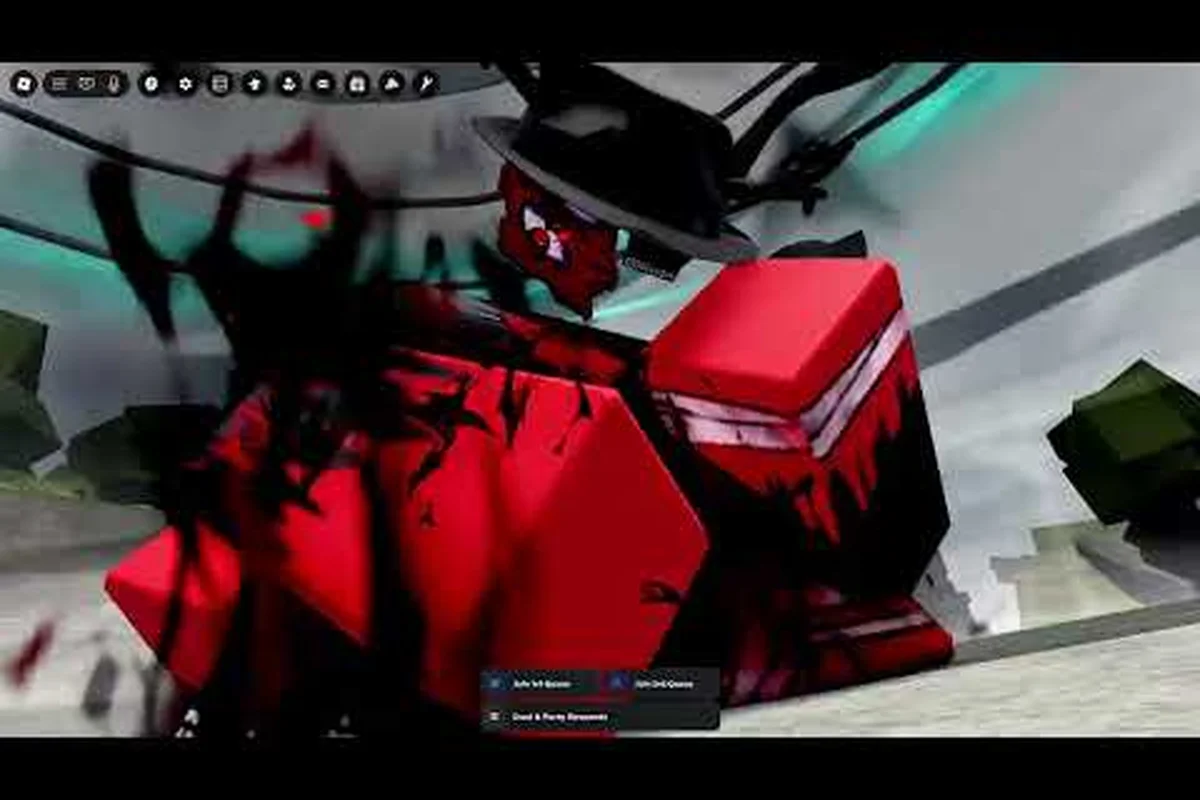
Legends Battlegrounds duels mode is the fastest way to test your stickman moveset against another real player, and the redesigned lobby now funnels you into a match in seconds. If you have ever queued, waited, and then watched someone else fight, this breakdown fixes that.
What Duels Mode Actually Is
Duels mode is the dedicated player-versus-player queue in Legends Battlegrounds, built around one-on-one fights rather than free-for-all lobby brawls. You pick a moveset, enter the queue, and the game pairs you with a similarly matched opponent. The match ends when one fighter's health hits zero, and the winner returns to the lobby with their record updated.
The mode sits inside a broader set of Legends Battlegrounds game modes, so it helps to know where it fits. Duels is the only queue with a hard 1v1 player count and a single win condition — reduce opponent HP to zero — while free-for-all lobby scales from 2-8 fighters and rewards last fighter standing, and the training area runs solo with no win condition at all. The table below maps the main options players encounter after spawning, so you can see at a glance which queue matches the session you actually want: ranked practice and matchup testing in duels, warm-ups and casual chaos in free-for-all, combo and cancel drilling in training, or passive learning in the spectator queue.
| Mode | Player Count | Win Condition | Best For |
|---|---|---|---|
| Duels | 1v1 | Reduce opponent HP to zero | Ranked practice, matchup testing |
| Free-for-all lobby | 2-8 | Last fighter standing | Warm-ups, chaos, casual fun |
| Training area | Solo | None (sandbox) | Learning combos and cancels |
| Spectator queue | N/A | None | Watching high-level duels |
The distinction matters because duels mode strips away the noise of a crowded lobby. There are no third parties to interrupt your combo, no one stealing your kill, and no respawn timer to reset the fight. According to community reports, this is exactly why the mode became the default place to settle matchup disputes between players.
Because every duel is isolated, the outcome depends almost entirely on your own execution. That means your M1 light-attack string, your Q dash timing, and your F block reads carry the whole match. In free-for-all you can blame a stray hit from a third player; in a duel there is nowhere to hide.
The mode also feeds directly into how the community measures skill. Players track win streaks, screenshot close finishes, and compare records after long sessions. If you want a clean read on whether your moveset knowledge is actually translating into wins, this is the queue that tells the truth.
Inside the Redesigned Duels Lobby
The Legends Battlegrounds duels lobby got a full rework, and the official sneak peek from developer zale shows a cleaner layout with dedicated queue pads instead of the old scattered spawn points. The redesign reduces the walk time between spawning and fighting, which is the single biggest quality-of-life change for anyone grinding matches.
Here is what the new lobby layout gives you, based on the developer's preview and player walkthroughs: five distinct interaction points arranged in a tight ring around the central queue pad, each one cutting a step out of the pre-match routine. The moveset selector row sits directly beside the queue pad, so you can swap your fighter's kit and step straight into the 1v1 line without a separate menu trip — the fix for the old problem of loading into a duel with the wrong loadout. The live match board and spectator rail work together as a scouting tool: while you wait, you can watch the active fight and read the matchup before your own turn comes up. The record kiosk rounds it out by surfacing your win-loss count on the spot, so you know whether to keep grinding or change your kit first.
-
Central queue pad — step on it to join the 1v1 line without hunting for a hidden prompt
-
Moveset selector row — swap your fighter before queuing so you never load into a match with the wrong kit
-
Live match board — shows who is currently dueling and who is waiting next
-
Spectator rail — watch the active fight while you wait, which doubles as free matchup study
-
Record kiosk — check your win-loss count before you commit to another run
The practical effect is that downtime between matches drops sharply. In the old layout, players reported spending more time walking and menu-navigating than actually fighting — a queue-to-combat ratio that made short sessions feel wasted. The reworked space compresses that loop so a full session is mostly combat: with the moveset selector row and record kiosk both within a few steps of the central queue pad, a typical Legends Battlegrounds duels rotation now looks like requeue, kit swap, and straight back into the 1v1 line. That matters most for players running back-to-back duels mode sets, since fewer dead seconds per match means more reps per hour and faster practice on matchup-specific tech like dash-cancel timing.
If you are still learning how the surrounding systems work, the combat mode overview explains how duels fit alongside the other fight types and how the lobby update changed match flow. Reading it first makes the queue behavior here much easier to follow.
One detail worth noting: the lobby is shared across platforms, so PC, mobile, and console players all queue into the same pool. That means your opponent's input method is unknown until the fight starts, and mobile players with strong dash-cancel habits can absolutely hold their own against keyboard users.
How to Duel: Step-by-Step Queue Flow
Learning how to duel in Legends Battlegrounds comes down to a short sequence, but each step has a small trap that trips up new players. Follow the order below and you will be fighting within a minute of loading in.
| Step | Action | Common Mistake |
|---|---|---|
| 1 | Spawn in the lobby and walk to the central queue pad | Standing on the old spawn ring and waiting |
| 2 | Open the moveset selector and confirm your fighter | Queuing with a moveset you have not practiced |
| 3 | Step onto the pad to join the 1v1 line | Leaving the pad mid-queue and losing your spot |
| 4 | Wait for the match board to pair you | Spamming the pad, which does nothing |
| 5 | Load into the arena and check your opponent's kit | Rushing in before reading their moveset |
| 6 | Fight until one HP bar empties, then return | Alt-tabbing during the result screen |
The queue itself is automatic once you are on the pad. There is no separate confirm button, no accept prompt, and no penalty for declining because you never get the option to decline. If you step off, you simply leave the line.
A frequent question is whether you can pick your opponent. You cannot. The system pairs you with the next available fighter, which keeps matches fast but means you occasionally face a moveset that hard-counters yours. Treat those as learning reps rather than losses.
Timing your queue around peak hours matters more than most players realize. When the lobby is busy, matches chain back-to-back with almost no gap. During quiet hours you may stand on the pad for a while, so it pays to use that time in the training area sharpening combo routes instead of idling.
Understanding the 1v1 Mode Rules
The Legends Battlegrounds 1v1 mode runs on a tight rule set that rewards clean execution over button mashing, and the specifics matter more than most players expect. A standard duel locks the arena to two fighters with no third parties, gives each side a single stock with no respawns or round resets, and grants full access to all four base moves plus variants and finishers. Awakening is always enabled, so every landed hit and combo feeds the ultimate gauge. Knowing these rules before you queue saves you from confusion mid-fight, especially around what counts as a valid win.
-
No third parties — the arena is locked to two fighters, so no outside interference is possible
-
Single stock — one health bar each, no respawns, no round resets
-
Full moveset access — every fighter brings their four base moves plus variants and finishers
-
Awakening enabled — landing hits and combos fills the ultimate gauge, and awakening unlocks character-specific ultimates
-
Result screen — win or loss is recorded, then you return to the lobby queue
The awakening rule is the one that decides most close matches. Because the gauge fills from landed hits, a player who is losing on health can still flip the fight with a well-timed ultimate. Community testing suggests that gauge management separates mid-level players from high-level ones more than raw combo speed does.
There is also no timer in the standard duel, which means a passive opponent can stall indefinitely if you let them. The counter is pressure: keep your M1 string active and force them to block, because a blocking opponent still takes chip damage and still feeds your gauge slowly.
If your ultimate timing feels off, the awakening system guide breaks down how the gauge fills and when to cash it in. Getting that timing right is often the difference between a 50 percent win rate and a 65 percent one.
Map Pool and Arena Differences
The duel arena pool is smaller than the free-for-all rotation, and each arena subtly changes which movesets perform best. Walls, ledges, and open space all affect how far your dash-cancel carries you and whether a combo route actually connects.
| Arena Type | Layout Trait | Favors |
|---|---|---|
| Open flat | No obstacles, wide space | Long-range pokes, spacing play |
| Walled pit | Tight corners, limited escape | Rushdown, corner-pressure combos |
| Raised platform | Ledges and drop-offs | Knockback finishers, edge guarding |
| Pillar field | Scattered cover | Hit-and-run, dash-heavy movesets |
The practical takeaway is that you should not run the same game plan in every arena. On an open flat map, a moveset with strong ranged pokes controls the pace. In a walled pit, that same moveset gets cornered and shredded by a rushdown fighter.
Players who track their arena results separately tend to climb faster, because they stop blaming their moveset for losses that were really map mismatches. If you notice a pattern of losing on raised platforms, that is a spacing problem, not a character problem.
Arena selection is handled by the system, so you cannot pick your preferred map. What you can do is recognize the layout within the first two seconds of loading and adjust your opening approach accordingly. That single habit is worth more than any single combo upgrade.
Tips to Win More Duels
Winning consistently in Legends Battlegrounds duels mode comes down to a small set of repeatable habits rather than flashy tech. The tips below are drawn from community discussion and repeated testing across the current build, and each one targets a specific mistake that costs rounds in the 1v1 mode. None require advanced execution — only the discipline to apply them every match.
-
Read the first exchange — spend the opening seconds identifying your opponent's moveset and preferred range before committing
-
Block, do not panic-dash — a blocked hit costs you nothing but chip damage, while a mistimed dash often eats a full combo
-
Bank your awakening — do not fire the ultimate the instant the gauge fills; save it for a moment when your opponent cannot block
-
Practice one combo route — a single reliable string you can land under pressure beats five you cannot execute
-
Use the training area between queues — idle lobby time is free practice time
-
Watch the spectator rail — studying a high-level duel teaches spacing faster than any written guide
The single highest-impact habit is the first one. Players who identify their opponent's kit early win noticeably more exchanges, because they stop walking into the exact range where that moveset is strongest. A rushdown fighter wants you close; a poke fighter wants you at mid-range. Deny them their preferred distance and you have already won half the fight.
It also helps to review your losses honestly. If you died to an ultimate, the real mistake usually happened ten seconds earlier when you let the gauge fill for free. In duels mode the awakening gauge charges fastest while you are actively taking chip damage and slowest while you disengage, so a passive opponent who blocks everything is quietly handing you the meter. Re-watch the replay and timestamp the moment your opponent's gauge crossed 80 percent — that is the window where you should have either pressured them into a bad block or backed off entirely. Fixing the cause beats memorizing the symptom, because the same free gauge feeds every ultimate in the mode.
Frequently Asked Questions
How do I enter duels mode in Legends Battlegrounds?
Walk to the central queue pad in the redesigned lobby and step onto it to join the 1v1 line. There is no confirm prompt, so the system pairs you automatically with the next available fighter once you are standing on the pad.
Can I choose who I fight in a duel?
No. The queue pairs you with the next available opponent, which keeps match times short but means you sometimes face a moveset that counters yours. Treat those matchups as practice reps and focus on reading their range instead of avoiding them.
Does duels mode have a time limit?
Standard duels run without a timer, so a passive opponent can stall if you allow it. The counter is steady pressure: keep your light-attack string active and force blocks, since blocked hits still deal chip damage and slowly build your awakening gauge.
What happens if I leave the queue pad early?
Stepping off the pad removes you from the line with no penalty and no cooldown. You can rejoin immediately by stepping back on, so there is no risk in leaving to swap movesets or check your record at the kiosk before queuing again.
Is duels mode good for beginners?
It is the best place to learn real matchups once you know your basic combos, because there are no third parties to interrupt you. New players should spend time in the training area first, then use duels to test one reliable combo route under genuine pressure.